

Vermiculite and Attic Insulation Removal
Found vermiculite? Test before anything moves.
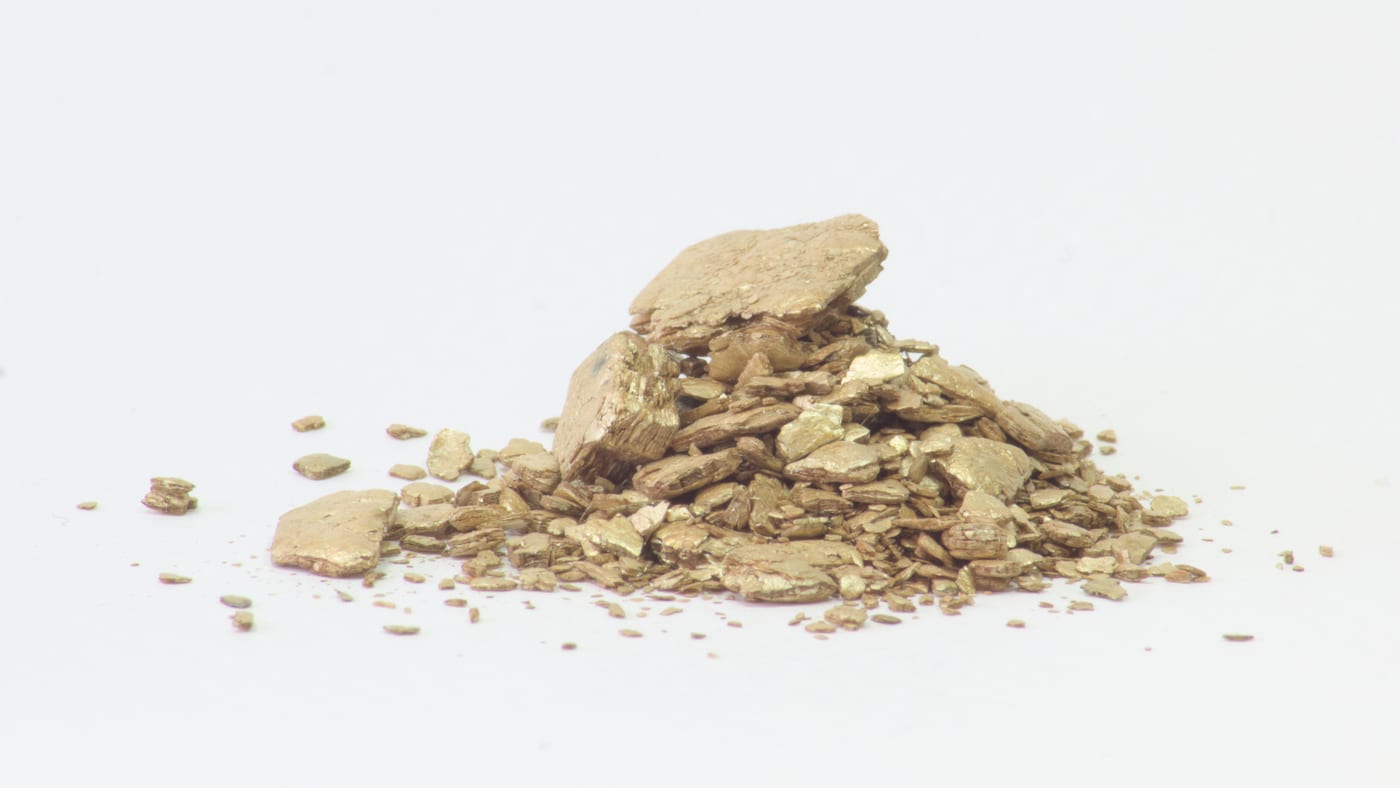
Vermiculite and attic insulation removal is one job with a step in front of it that a lot of people skip: the test. If you lift the attic hatch and see loose, pebbly, greyish-brown fill instead of pink batts or grey fluff, stop there. Don't scoop a sample into a sandwich bag, don't stick the shop vac in it, and don't start pulling it out to "see what's under there."
Plenty of vermiculite is harmless. Some of it is not, and you can't tell which by looking. That one fact decides the order everything else happens in.
What vermiculite looks like, and how it got into your attic
Vermiculite is a mineral. Heated to around 1,000°C, the flakes pop and puff up, which traps air and makes a light, fire-resistant fill that doesn't burn. That made it suitable as insulation, and in older houses it was poured loose between the attic joists.
In an attic it usually looks like small, shiny, accordion-shaped pebbles somewhere between silver-gold and grey-brown. It doesn't hold together the way a batt or blown fibreglass does. It sits loose, more like coarse gravel than fluff. You can see that from the hatch, so there is no reason to put your hand in it.
The problem is one source. The Canadian Centre for Occupational Health and Safety (CCOHS) names it: attic insulation sold in Canada under the name Zonolite, mined at Libby, Montana, where the vermiculite deposit sat next to natural asbestos. That mine closed in 1990. Vermiculite from other mines didn't have the same contamination, so not every bag sold before 1990 contained asbestos, but nobody can tell from the attic floor which mine yours came from.
Why the rule is "test before anything moves"
Asbestos does its harm when fibres get into the air and into your lungs. CCOHS lists asbestosis, mesothelioma and lung cancer among the diseases linked to breathing them, and the risk rises with how much, how long and how often.
That is also the reassuring part. CCOHS says vermiculite that stays undisturbed in an attic or behind an intact wall, and doesn't become airborne, shouldn't be a concern. The danger is in moving it. Vacuuming it, raking it, walking through it, pushing it aside to run a cable or fit a pot light: every one of those puts fibres in the air if the material is contaminated.
So our position is the same as the safety agencies'. Vermiculite has to be tested before it is disturbed, not vacuumed on a hunch. If you have loose, pebbly, greyish-brown insulation in your attic, don't touch it. Call us and we'll talk about testing first.
What to do while you wait for vermiculite and attic insulation removal advice
None of this is an emergency if the attic is left alone. In the meantime, CCOHS recommends a short list:
- Stay out of the attic, and stop using it for storage.
- Don't do any work that disturbs it: no new wiring, no pot lights, no hatch upgrades, no topping up on top of it.
- Seal the paths it could sift through. Caulk cracks and holes in the ceiling, and around light fixtures and the attic access, from the living-space side.
- Never handle or remove it yourself if you suspect asbestos.
If you were planning to insulate the attic hatch this weekend, that plan waits too. Building a dam around the opening means working in the fill.
Testing comes before vermiculite and attic insulation removal
Testing is done by a competent person, typically an occupational hygienist or a consultant who specialises in asbestos, who takes samples and sends them to an accredited laboratory. CCOHS is specific about this: the samples are taken before any renovation, remodelling or repair that would disturb the insulation, not partway through.
The result sends the job one of two ways.
Vermiculite and attic insulation removal when the test comes back positive
If the sample contains asbestos, the removal is asbestos work. CCOHS says to hire a qualified asbestos removal professional who is trained and certified to handle it, and most provinces regulate asbestos removal. That is a specialised, regulated trade, and it is not the same job as vacuuming old fibreglass out of an attic.
A positive result doesn't automatically mean it all has to come out tomorrow, either. CCOHS notes that removal is not always necessary. It depends on where the material sits and whether it is likely to become airborne. An attic you never go into, over a ceiling you aren't opening, is a different situation from one you are about to renovate. A professional risk assessment is what settles that.
When the test comes back negative
With a negative result, vermiculite and attic insulation removal is an ordinary insulation removal job: the old fill can come out without special asbestos precautions. Attics are the most common removal we do, by a wide margin.
Material goes out through a hose to a sealed collection unit outside the house. It does not get carried down your hallway in bags. The hose route and the work areas are protected, surfaces are cleaned and treated, and then we deal with what the old insulation was hiding. With the attic floor bare you can finally see the roof leaks, the bath fans venting into the attic instead of outside, the blocked soffits and the rodent entry points.
Most residential attic removals are a one-day job, with re-insulation following straight after or the next day.
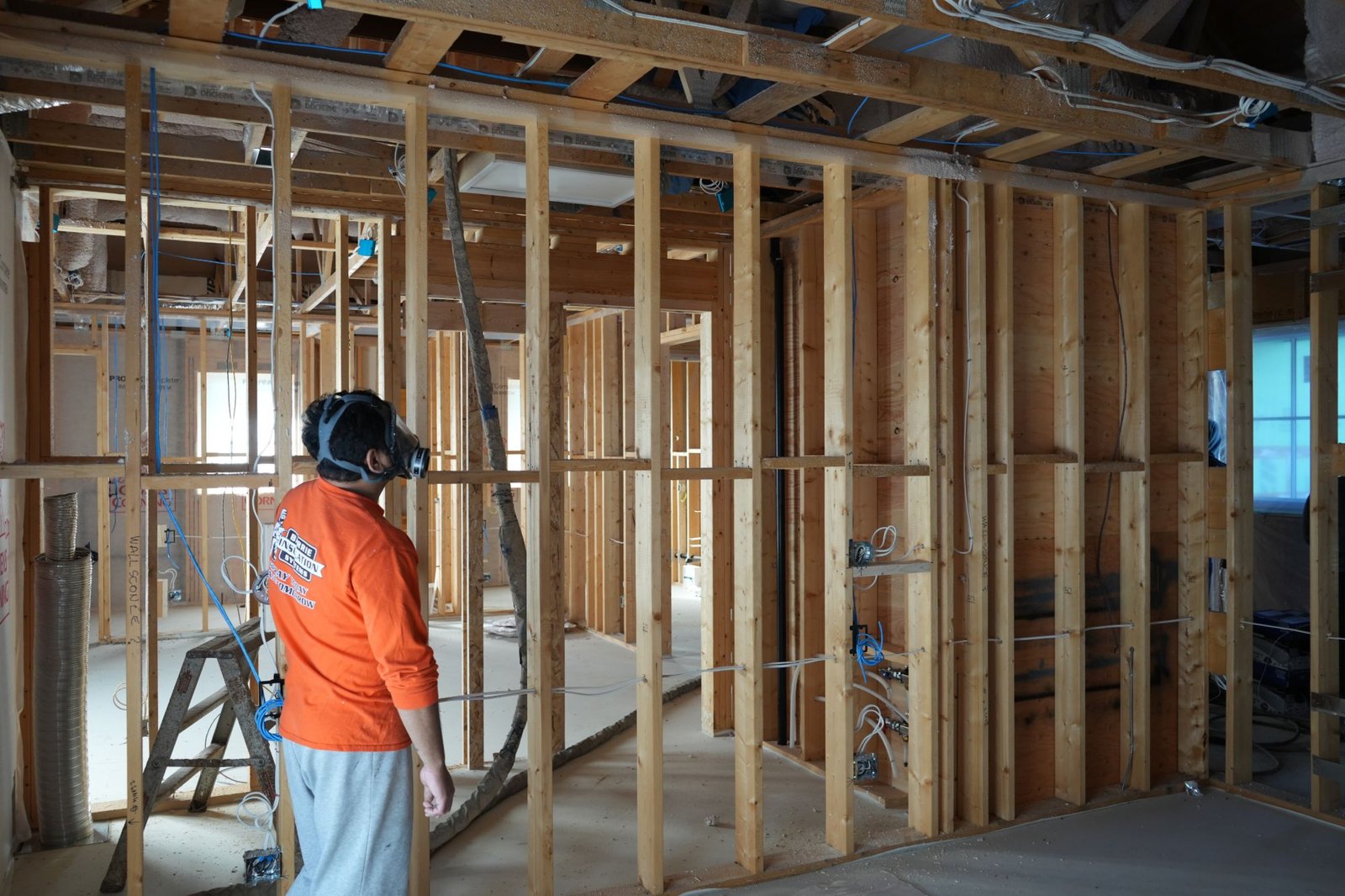
Putting the attic back, and what it doesn't need
Removal without re-insulation leaves your house worse than it started, so we quote the two together. The order matters: seal the attic floor first, then add depth. Piling insulation on an unsealed ceiling is like putting on a thicker sweater with the zipper down.
A bare attic doesn't automatically need spray foam. For a large, open attic floor, blown-in insulation gets most of the real-world gain for a lot less than foam, and it brings the attic up to a current, even depth. Spray foam earns its price at the bypasses, the awkward spots and anywhere you need an air seal on an irregular surface. If a cheaper product will do the same job in your house, we will tell you.
The whole thing gets re-insulated to the current Ontario Building Code, with depth markers where they apply.
Found loose, pebbly fill when you lifted the hatch? Call (705) 812-1955 to talk about testing first, or request a free quote.
Top photo: expanded vermiculite by Slashme, CC BY 4.0, via Wikimedia Commons, cropped.
