

Is Spray Foam Insulation Safe? What Is a Real Concern, and What Isn't
Cured spray foam is an inert plastic. What actually needs care is spray day: ventilation, the re-entry period, a certified applicator and covering it to code.
Learn
Plain-English guides to insulation, R-value, air sealing and keeping an Ontario house warm — written by the people who install it.
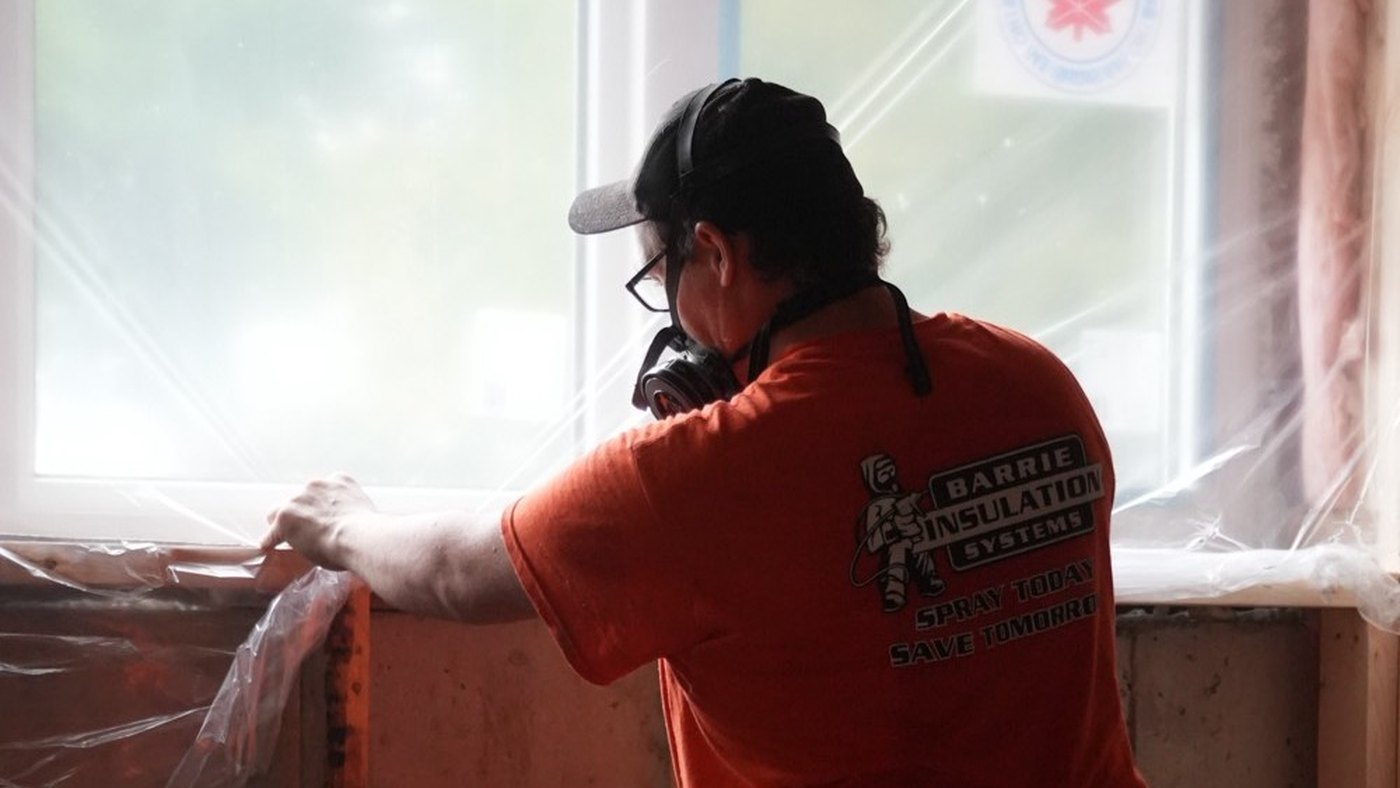
Cured spray foam is an inert plastic. What actually needs care is spray day: ventilation, the re-entry period, a certified applicator and covering it to code.
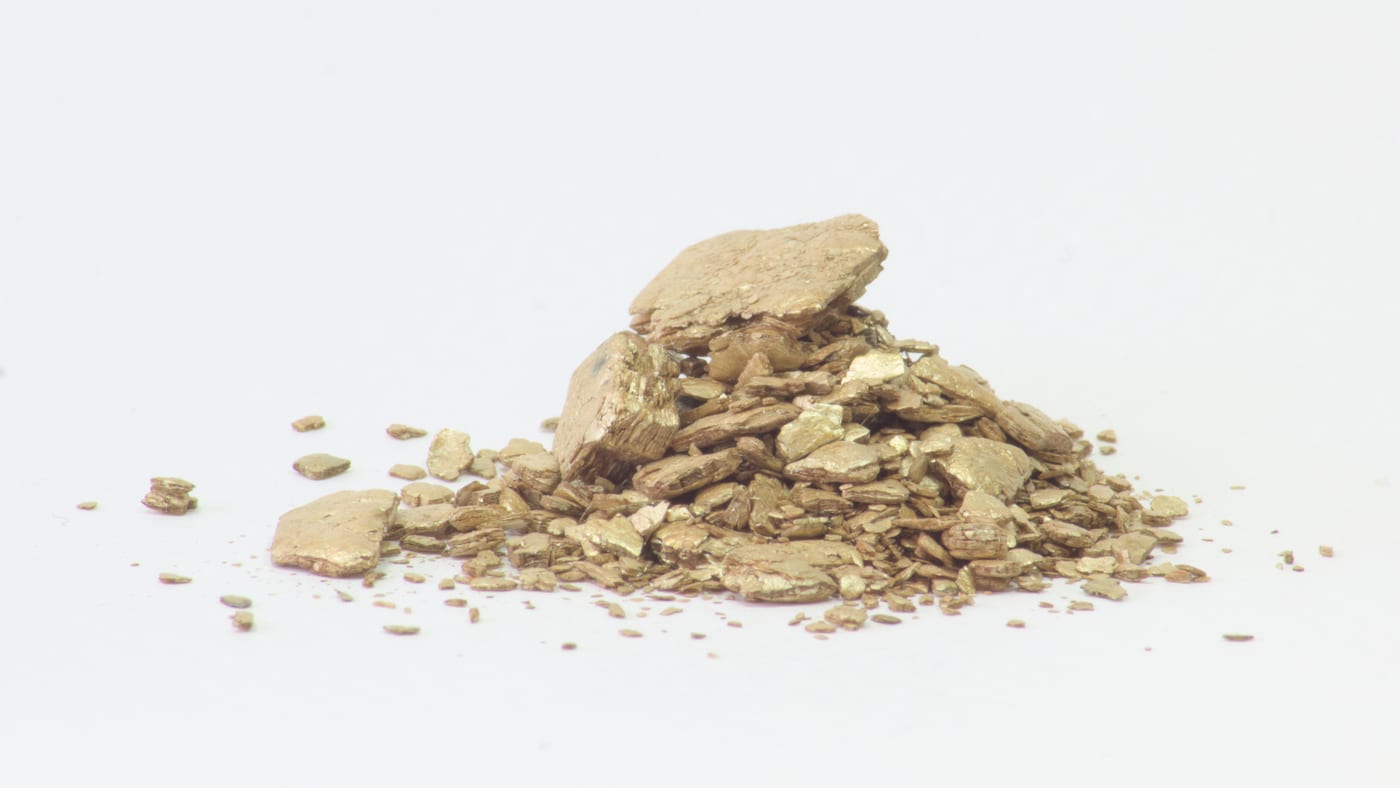
Loose, pebbly, greyish-brown fill in the attic may be vermiculite. Why it is tested before anyone touches it, what the result decides, and how the attic gets put back.
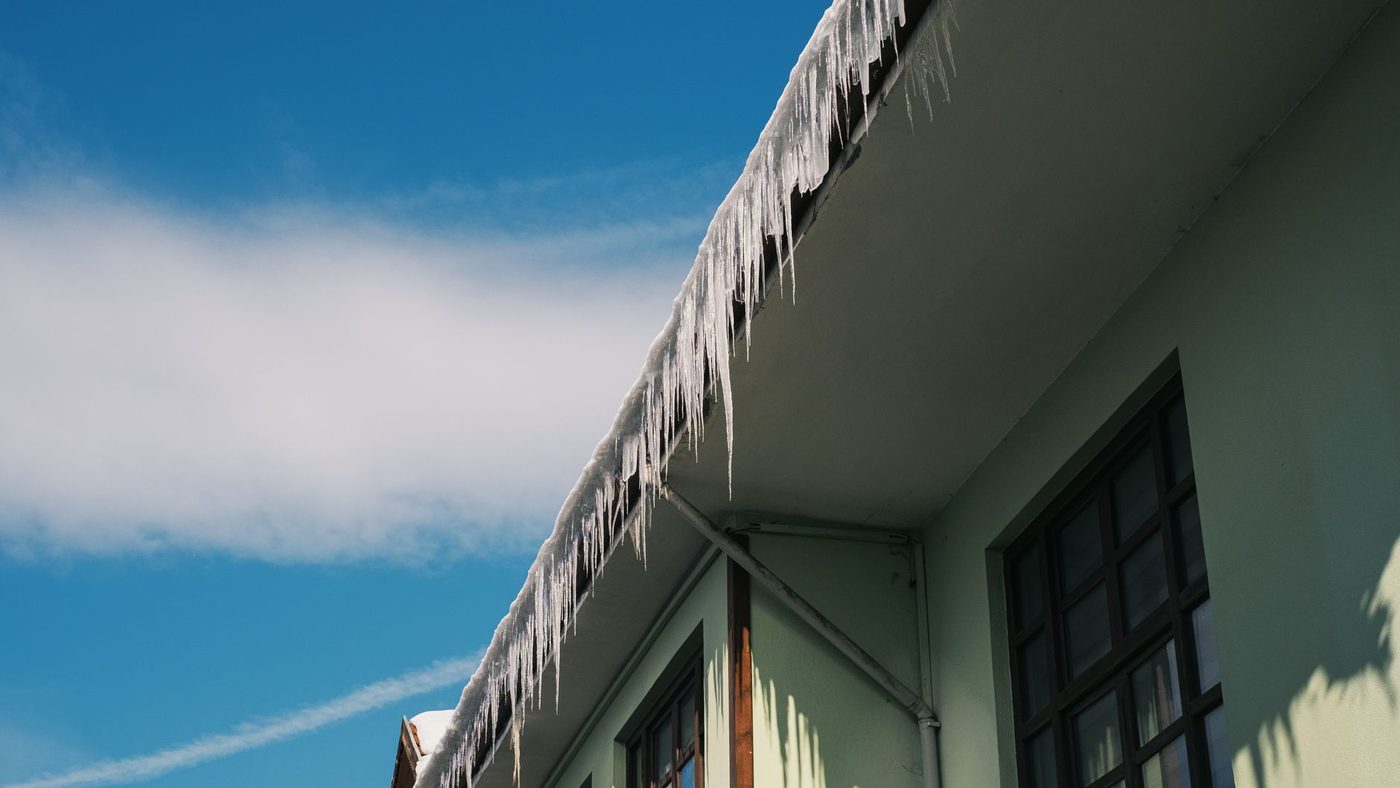
The rest of the attic has a foot of insulation and the hatch has a sheet of drywall. Why it leaks more than its size, how to dam, seal and insulate it, and when the attic is the real problem.

Spray foam takes away the runways and nesting a mouse needs, but it isn't pest control. What it seals, what it doesn't, and where mice get into an older rural house.
Ontario’s attic insulation rebates come on two paths that pay different amounts. What each needs, and the step that has to happen before any work starts.
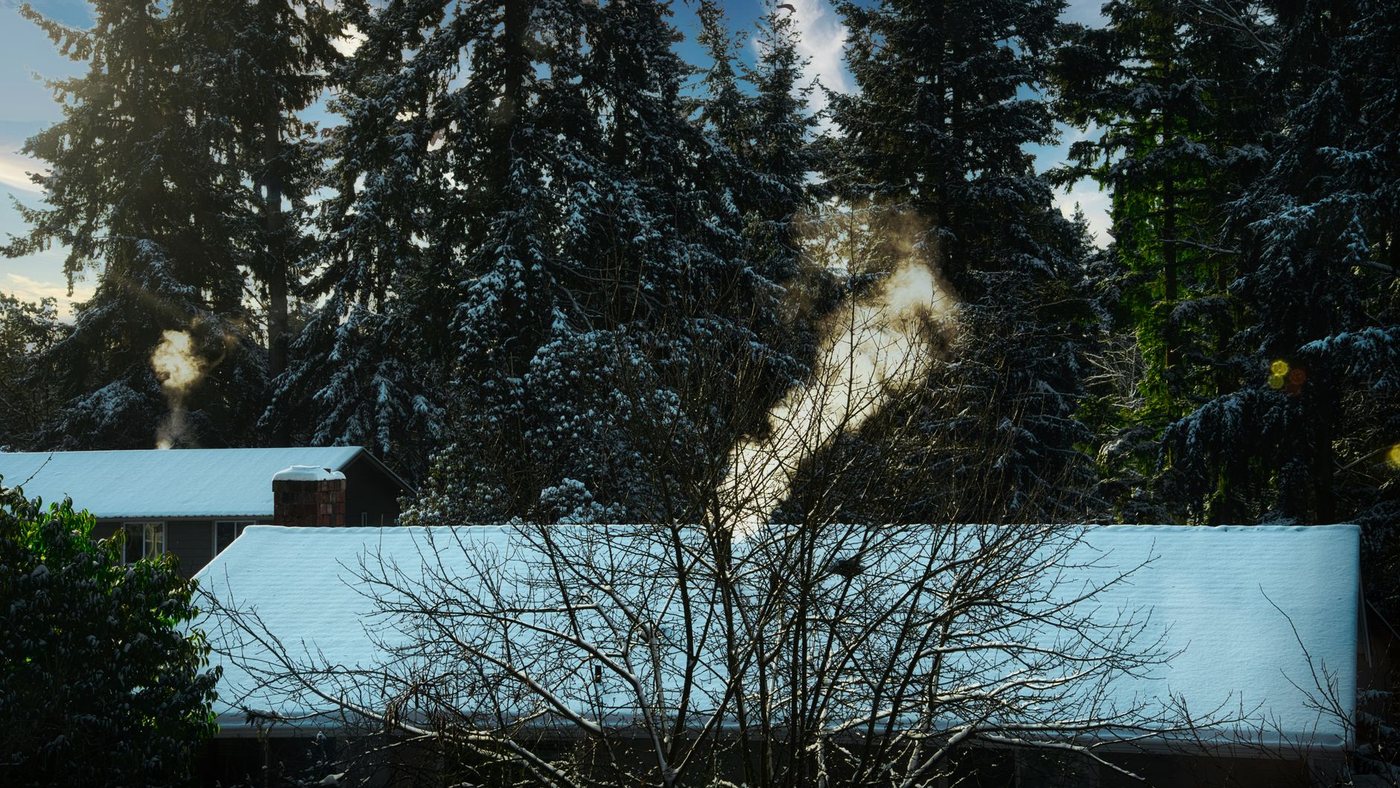
A bath fan venting into the attic puts every shower’s moisture on the coldest wood in the house. Why it frosts, and why more insulation won’t fix it.
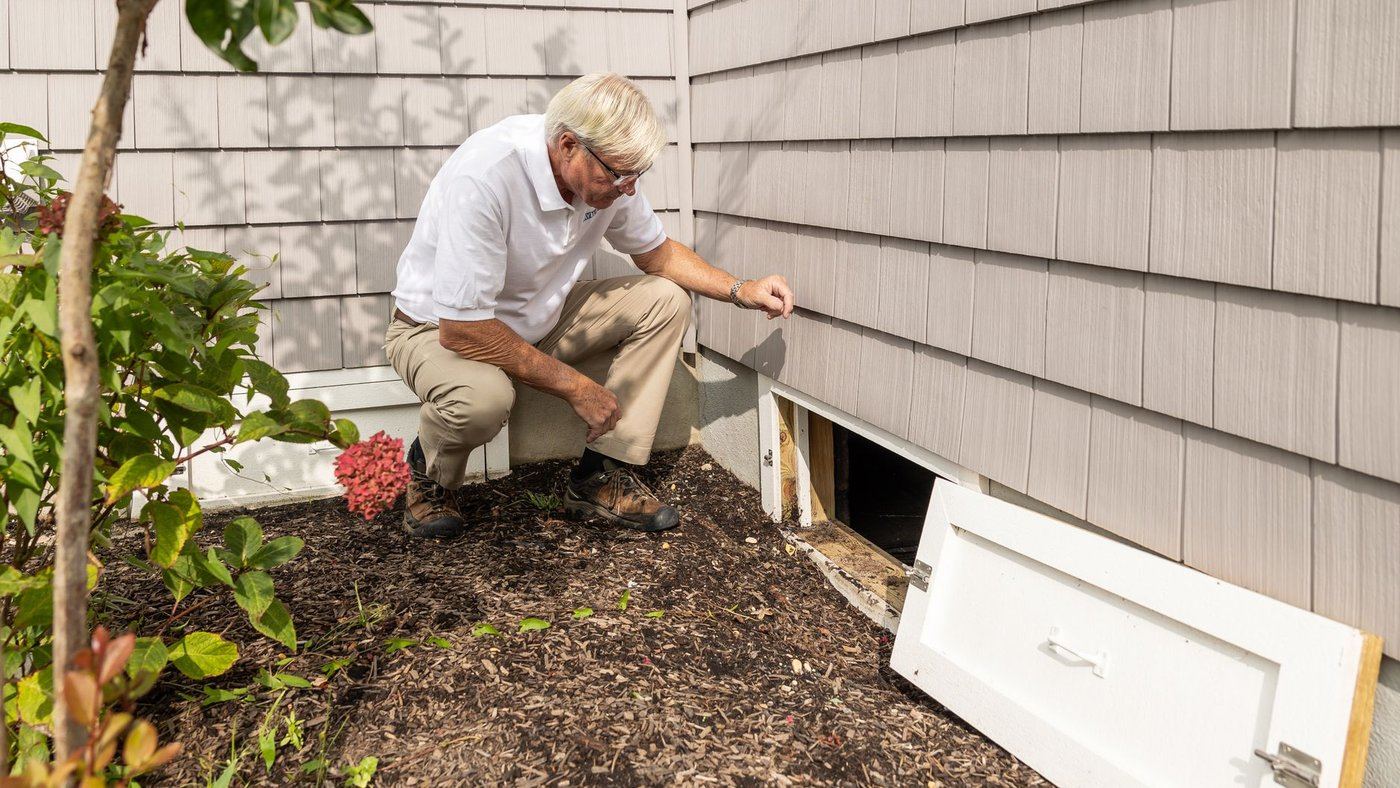
A cold floor over a crawl space: why the walls usually beat the floor, and what to do about the ground, the vents and the pipes first.
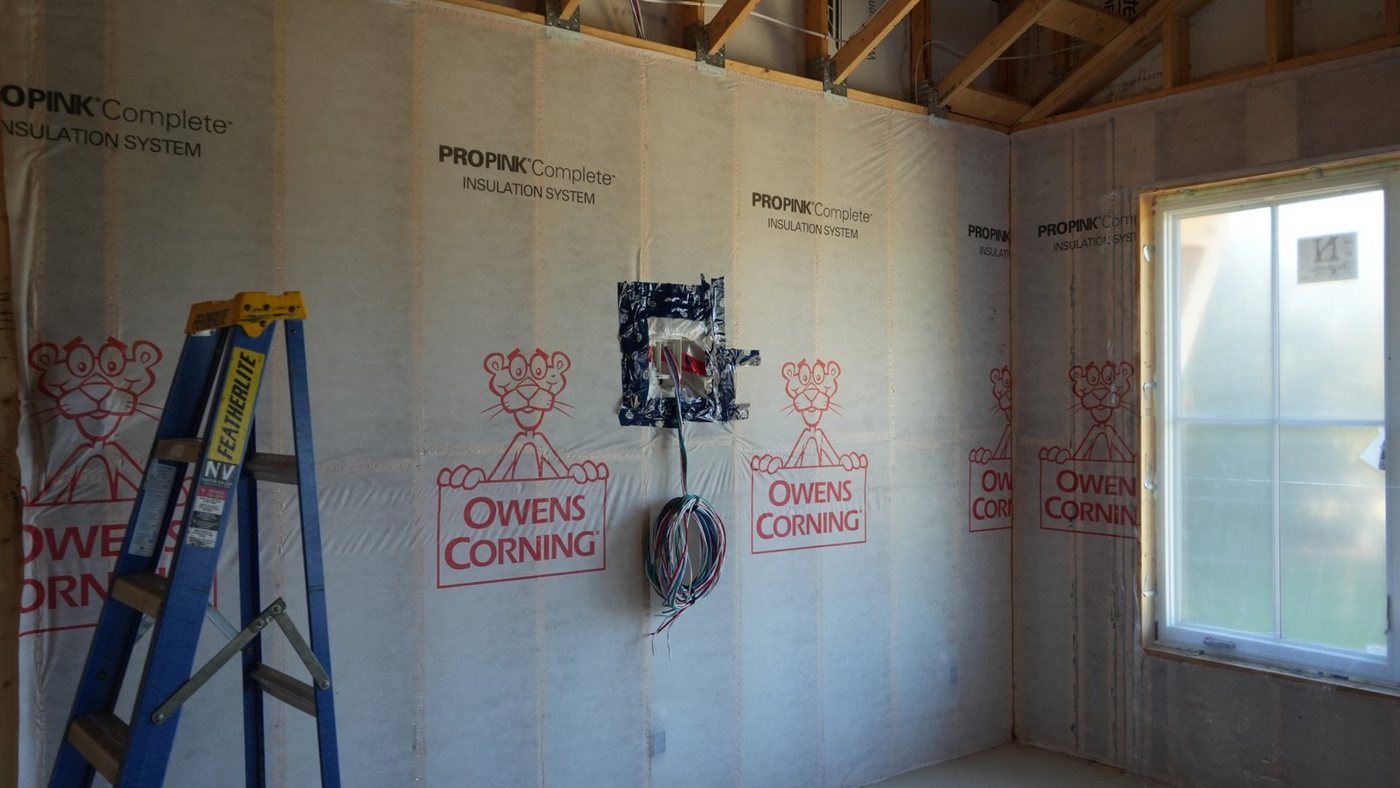
For builders: foil not poly, which way it faces, the gap in front of it, why a sauna wall gets one vapour layer only, and what to frame before insulation.
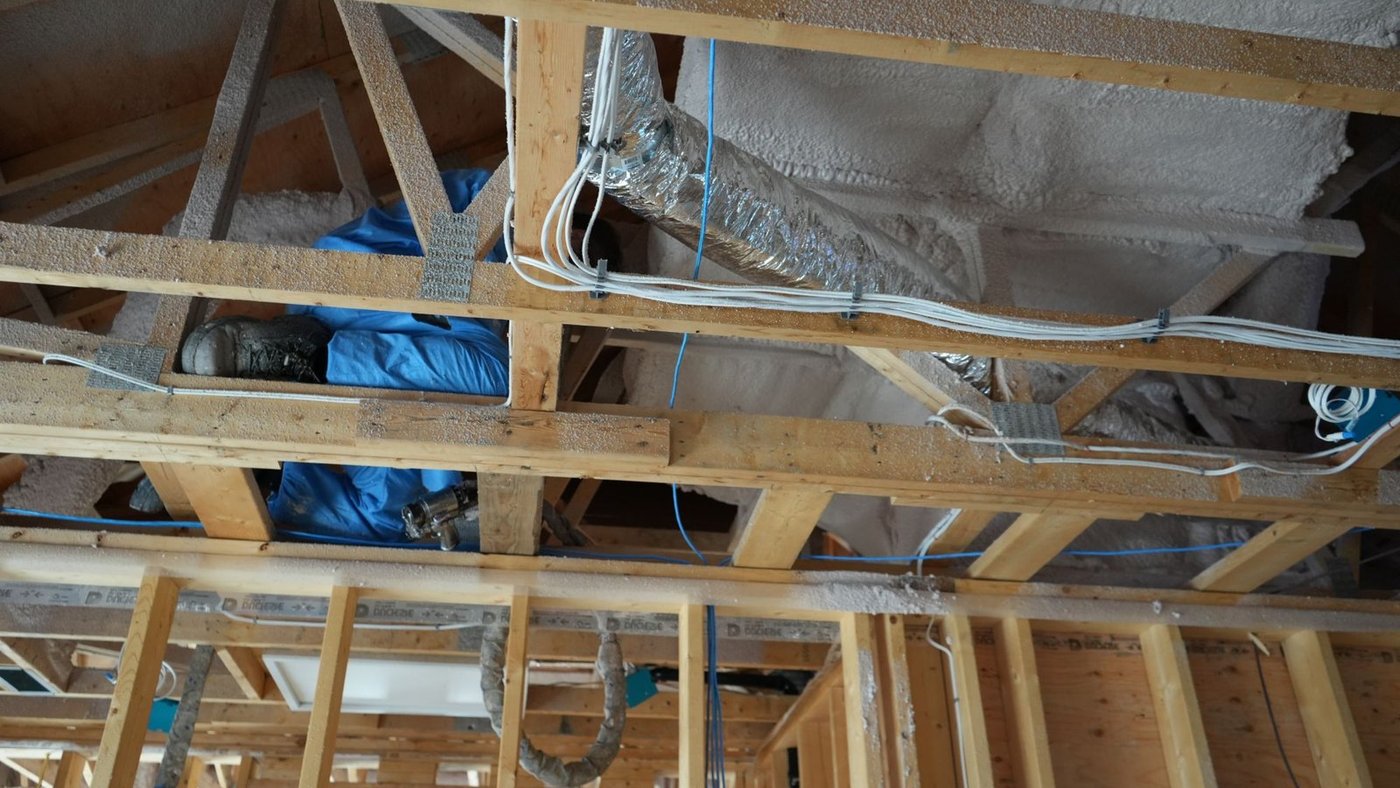
For builders: why foam cure time is rarely what holds a job up, where the re-entry period comes from, and what has to be ready before the spray crew arrives.
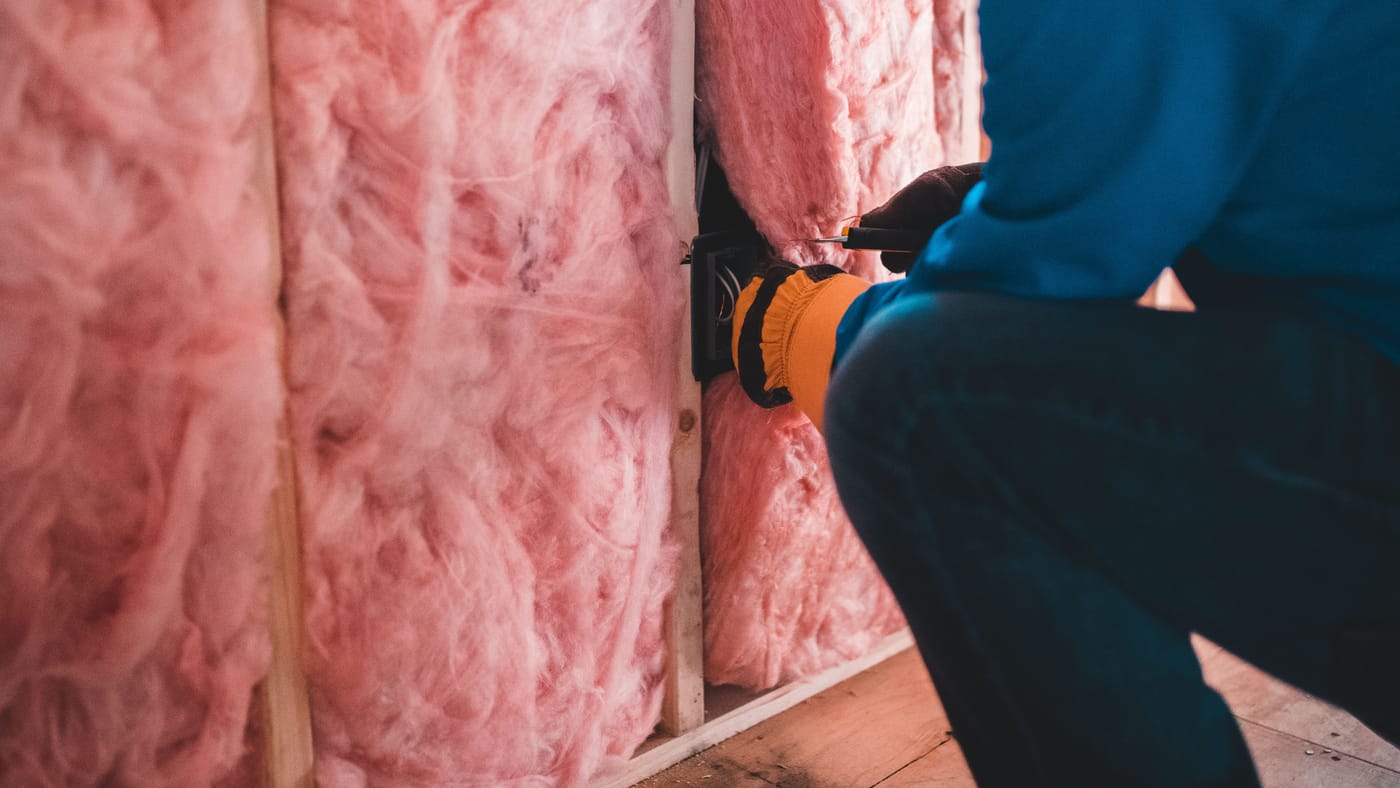
For builders: what mineral wool changes for fire, sound and fit, what it doesn’t change for SB-12, and the walls where fibreglass does the same job.
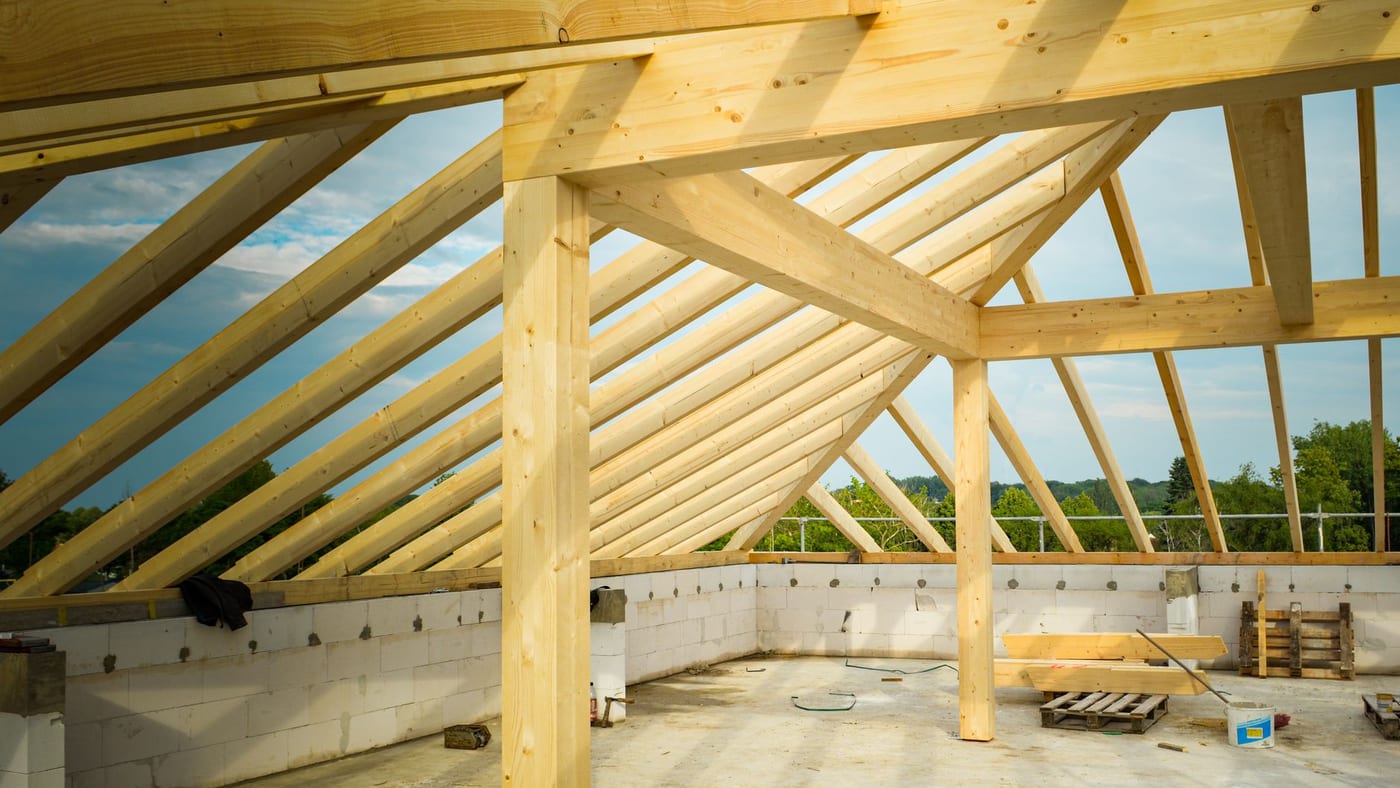
For builders: the Building Code clearances at the eave, why one missed bay matters, the short-heel problem, and what has to be ready before blowing.
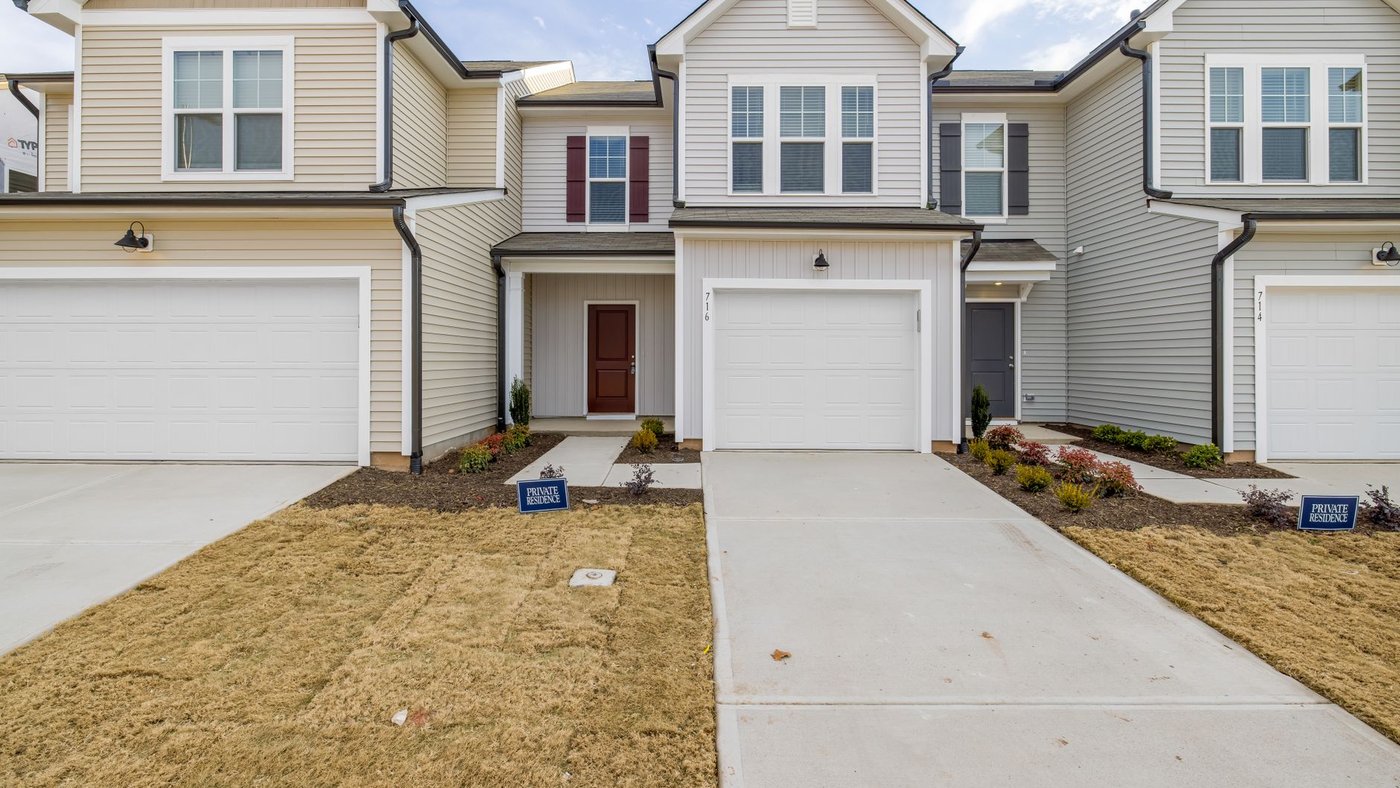
For builders: the SB-12 exposed floor value, why rooms over garages still run cold, and what has to be ready before the crew arrives.
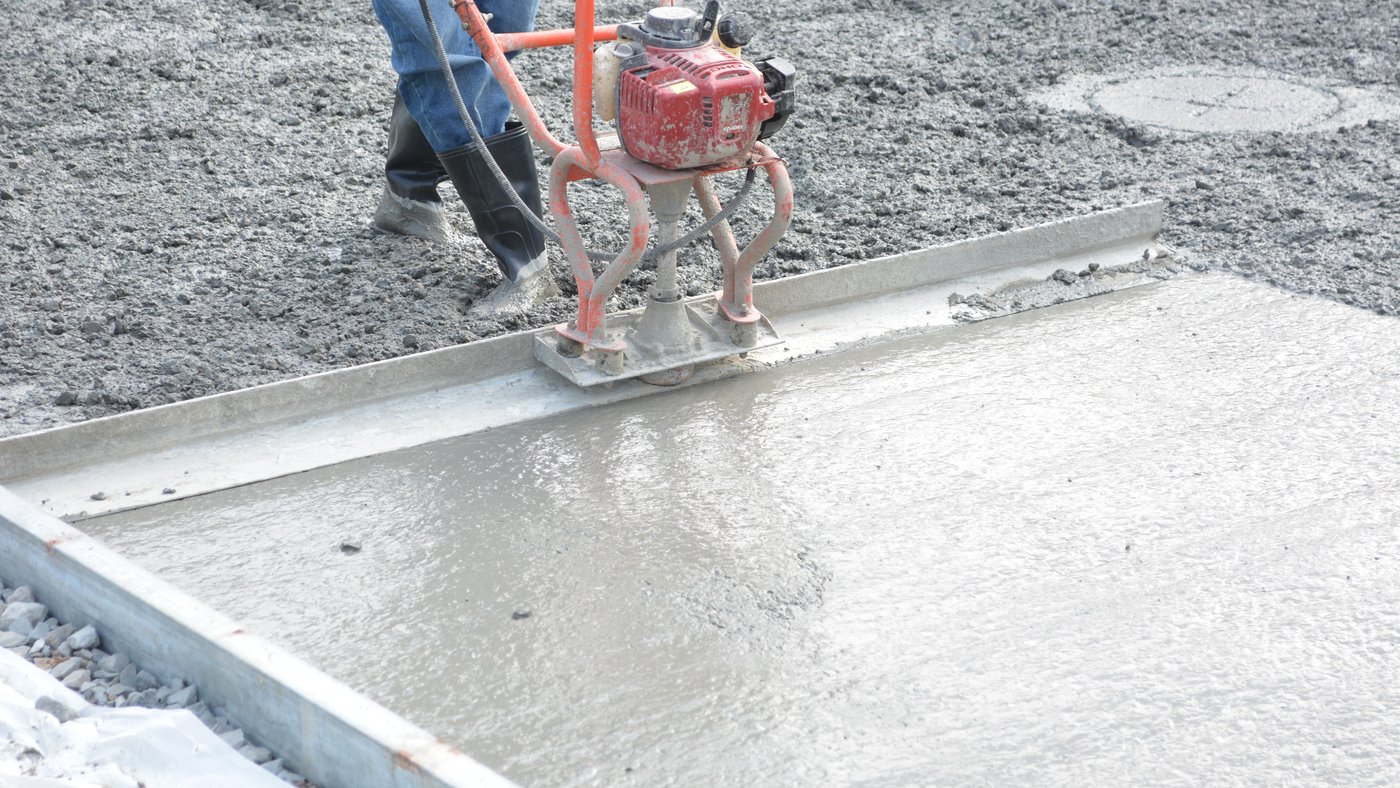
For builders: when SB-12 asks for R-10 under a slab, board versus spray foam, and what has to be ready before the concrete truck.
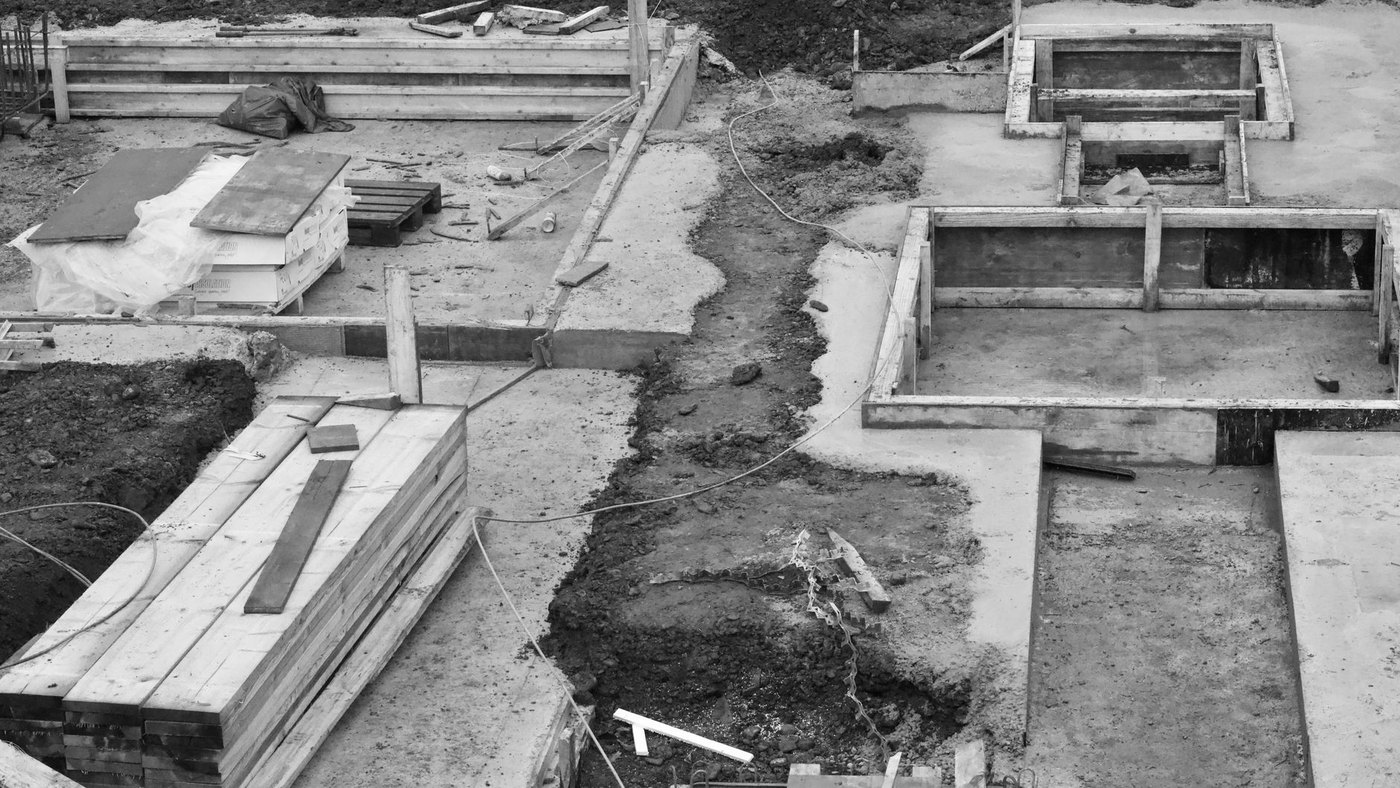
For builders: what insulating a frost wall does to footing depth, inside versus outside, the slab edge, and garages that get heated later.
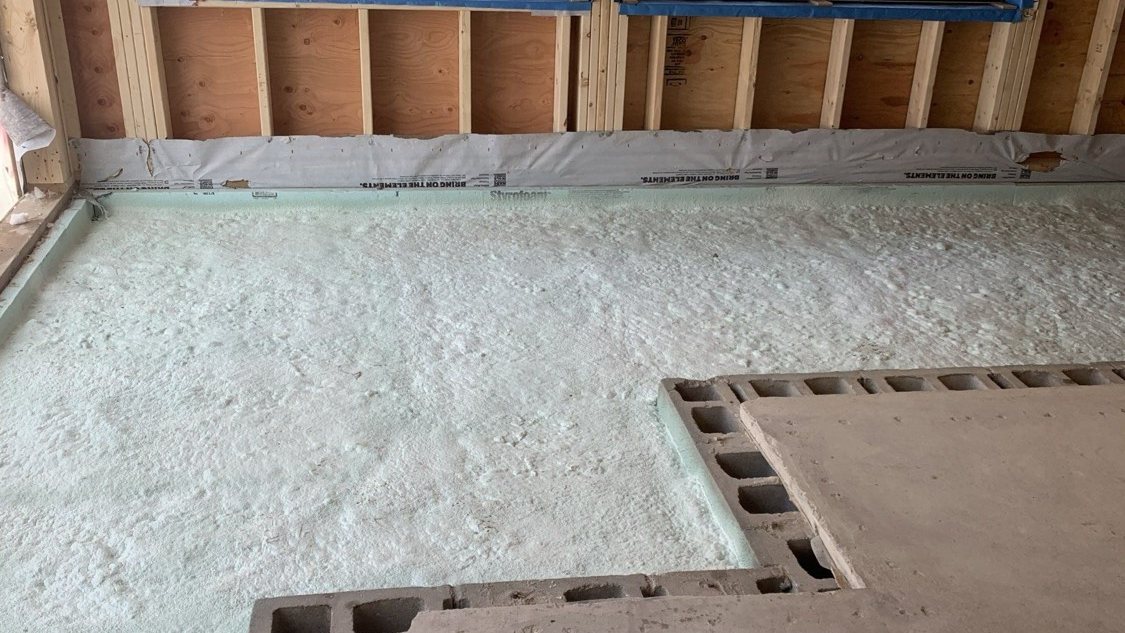
For builders: the sealed air barrier under the slab and the radon rough inspection, the perimeter joint, one vapour barrier on the wall, and the header.
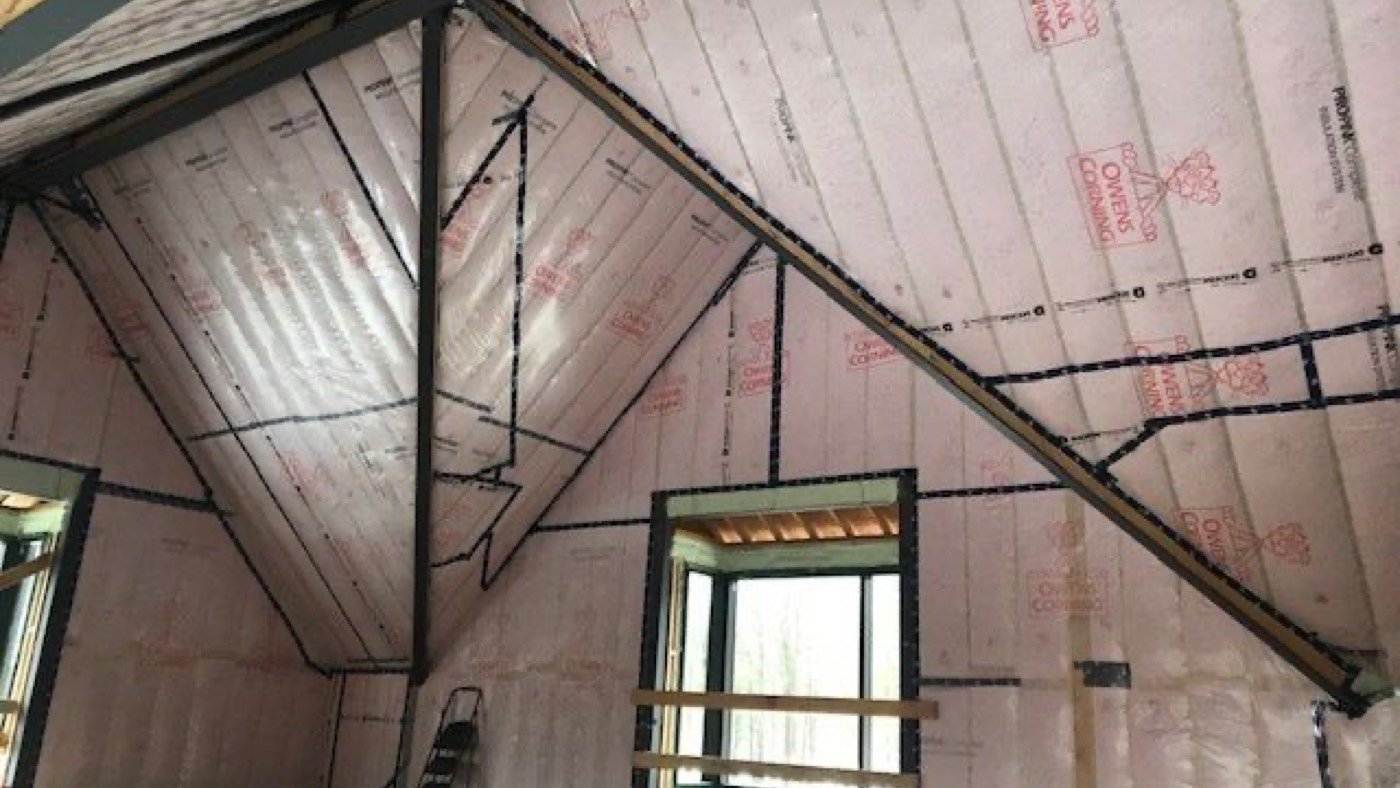
For builders: why sealed poly can be both layers under OBC 9.25.3 and 9.25.4, why a hole costs more in the air barrier, and which trade owns each gap.
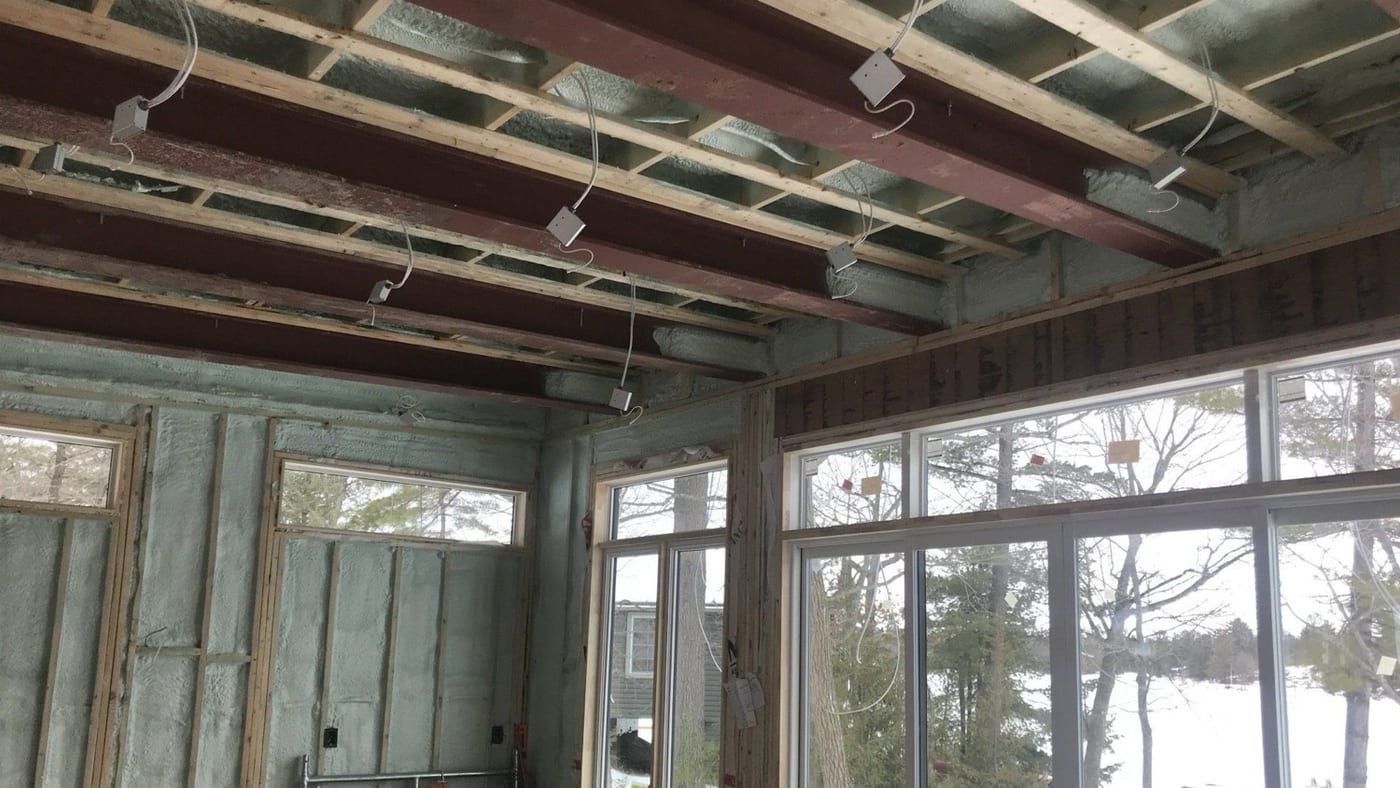
For builders: the 60 ng number in OBC 9.25.4.2, how US Class I, II and III ratings read against it, and when 2 lb closed-cell foam is the layer.
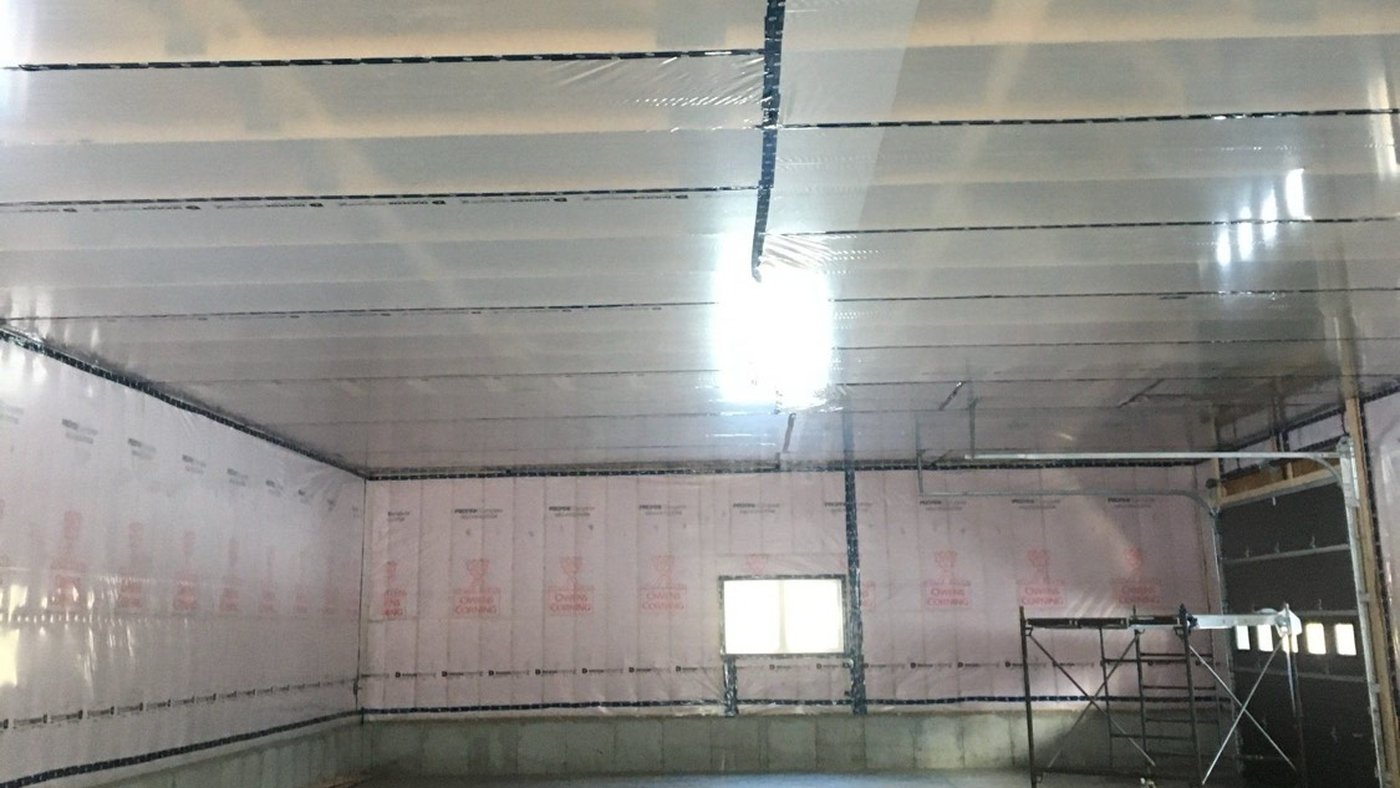
For builders: which roll counts under OBC 9.25.3.2, sealed versus lapped-and-clamped joints, and where poly breaks at plates, partitions and the rim.
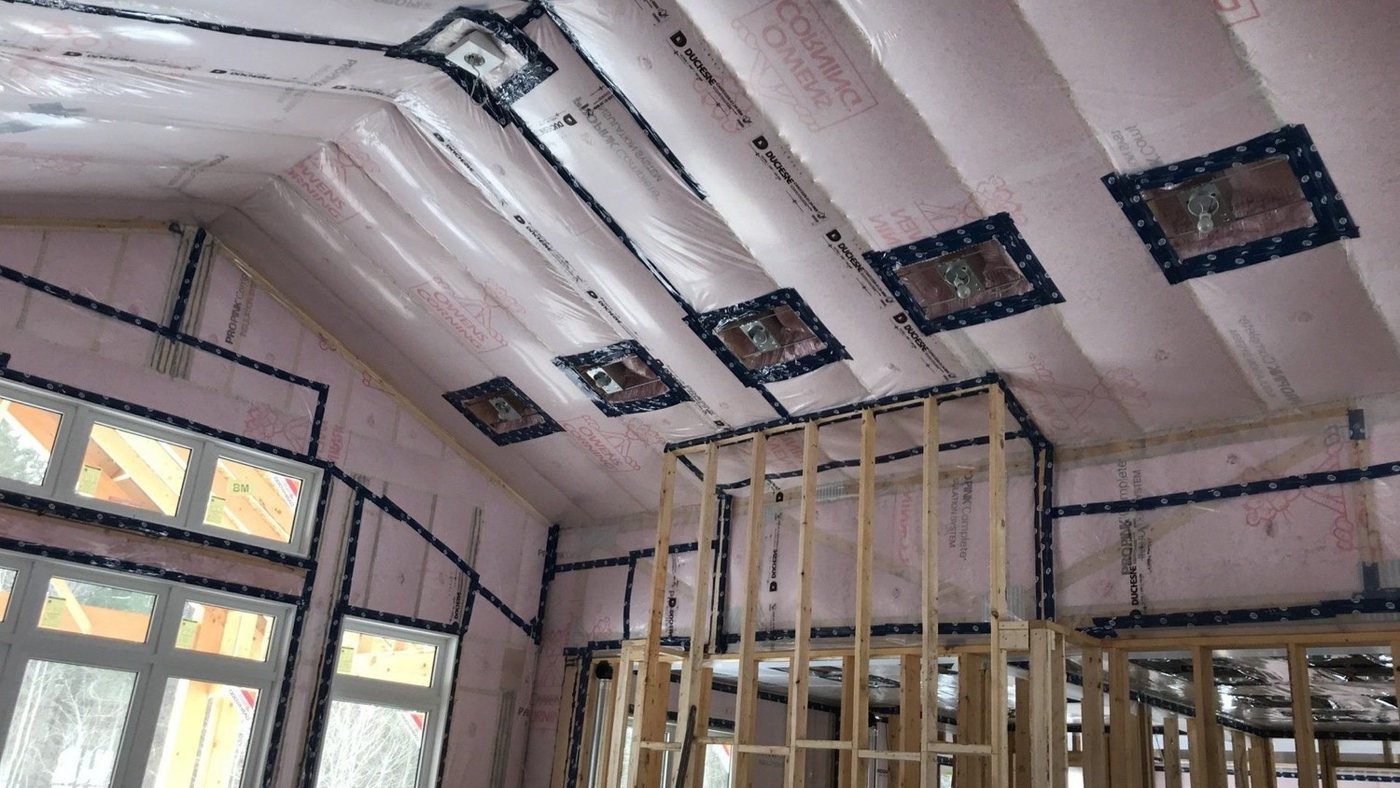
For builders: how a variable-permeance membrane passes OBC 9.25.4.2, the walls where it beats poly, the walls where poly is fine, and what inspection asks for.
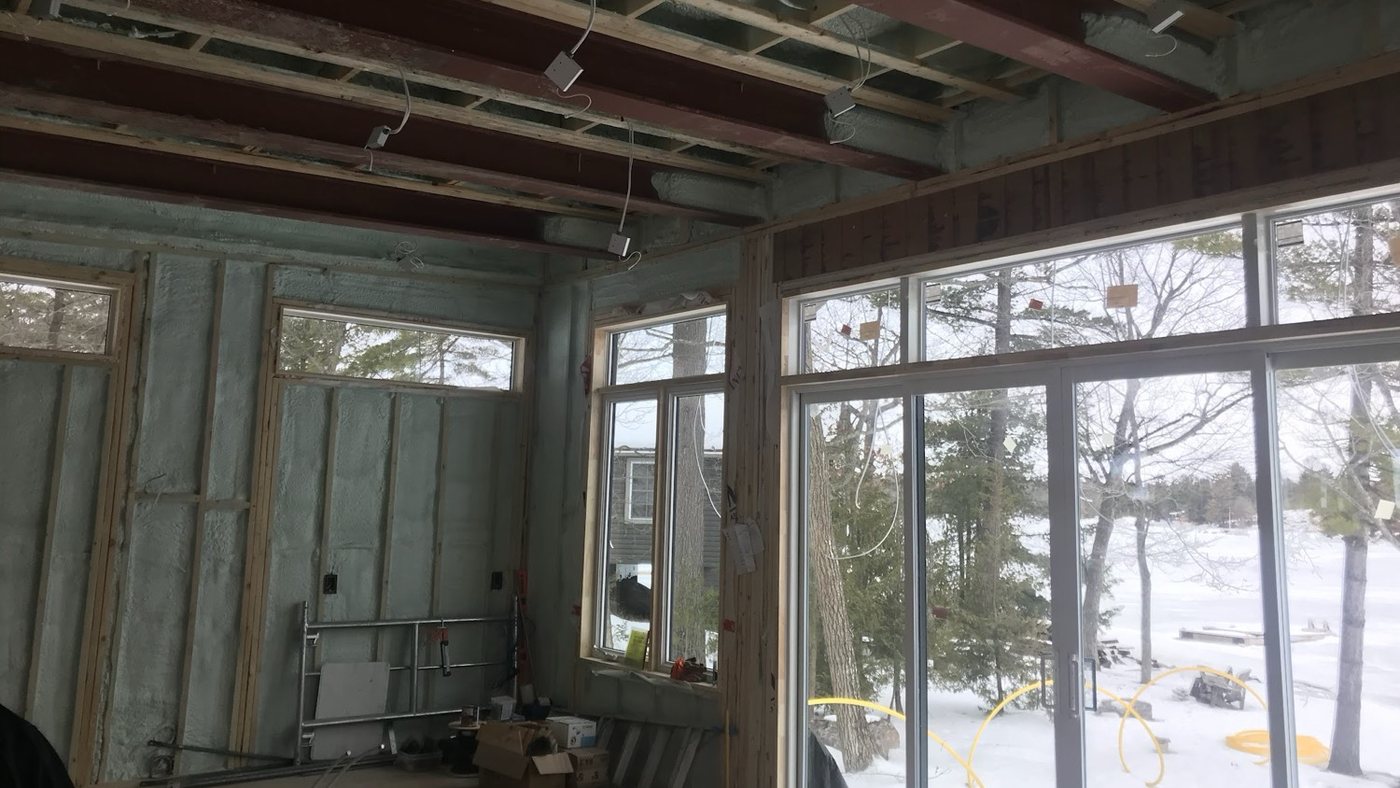
For builders: what OBC 9.25.3.3.(6) asks at every outlet on an exterior wall, pan or airtight box, the cable seal that gets missed, and the cheaper fixes.
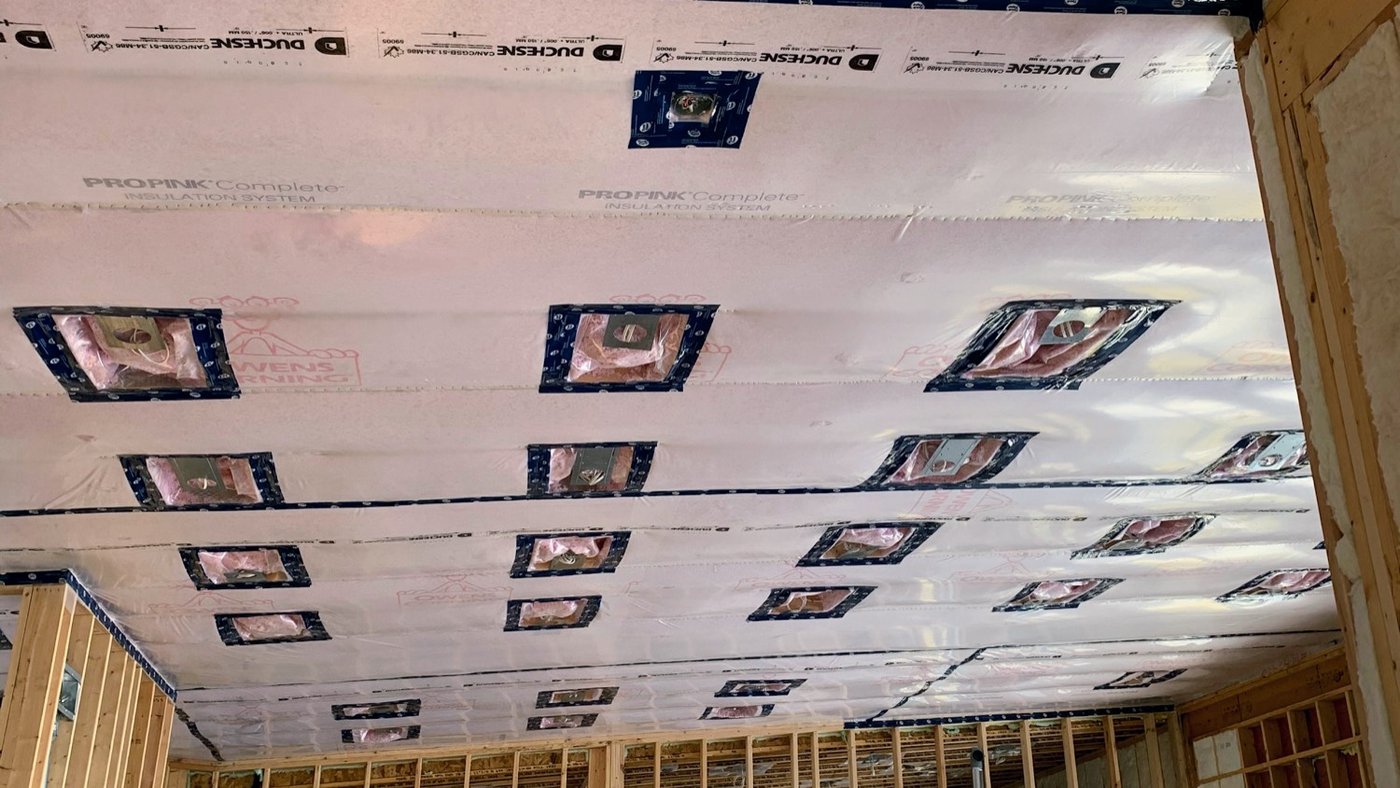
For builders: what OBC 9.25.3 asks at a pot light, why the IC or airtight label doesn’t seal the ceiling, and who owns the surround.
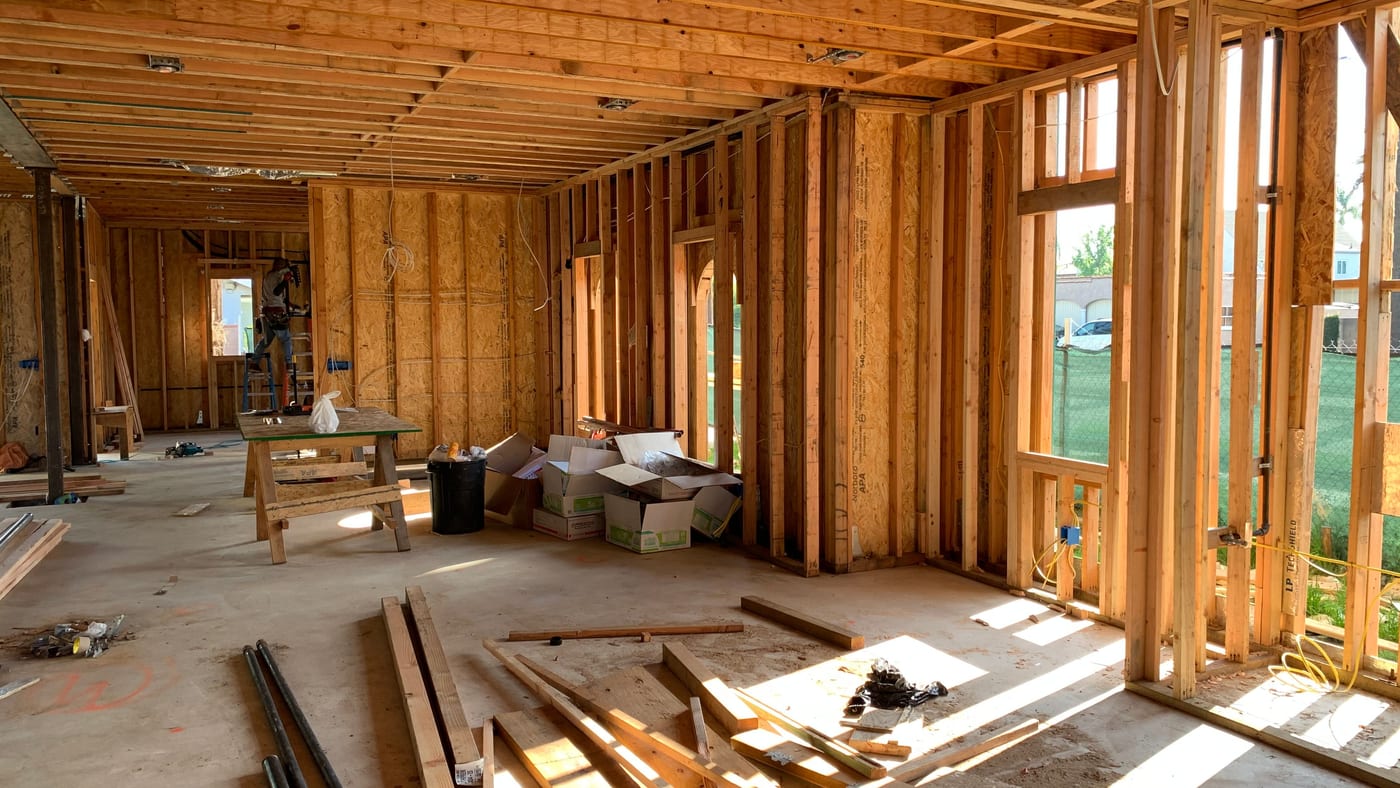
For builders: why OBC 9.25.4.2 keeps the poly over open cell, where it earns its place, and when BIBS fills a 2x6 for less.
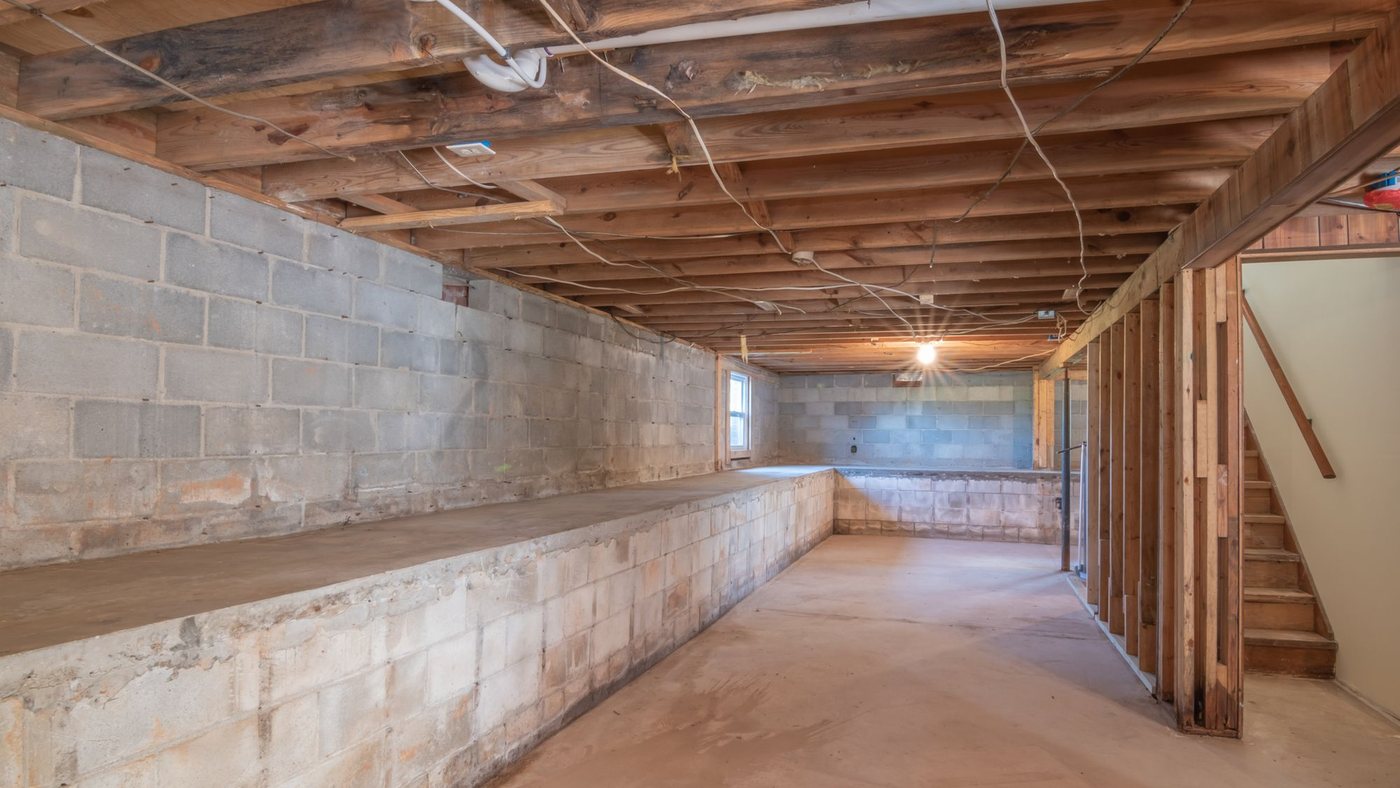
For builders: SB-12’s R20ci or R12+10ci, the OBC 9.13.2.5 rules on what goes against the concrete, and when foam plus batt beats full foam.
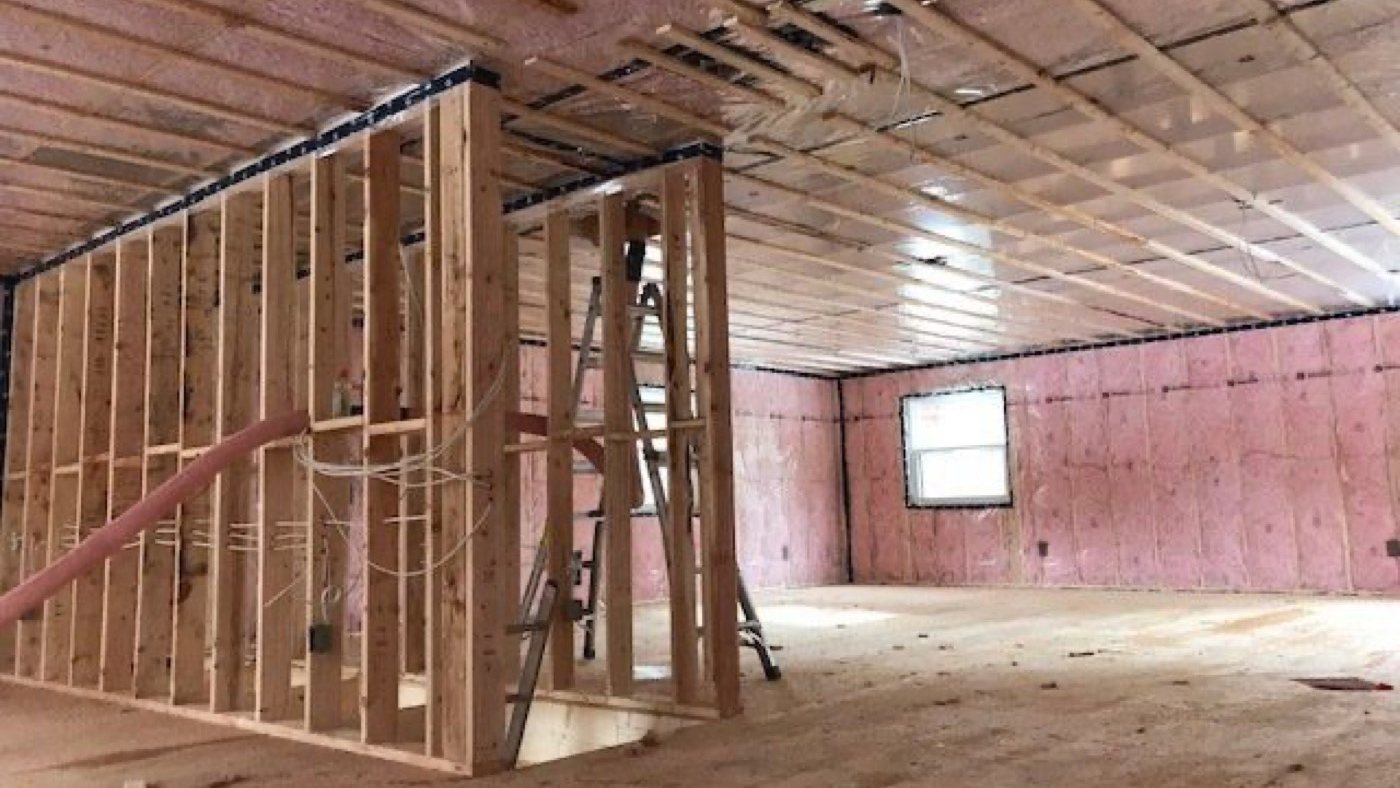
For builders: the OBC 9.25.5.2 ratio, why a cavity upgrade lowers it, and when the poly behind foam board should go.
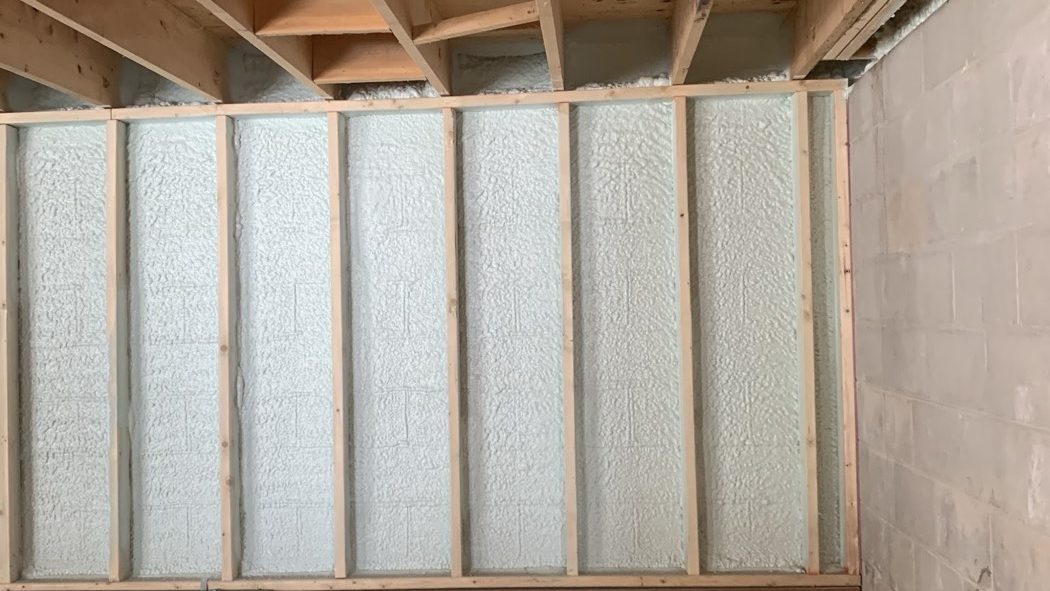
For builders: multiply by 5.678, then read SB-12’s nominal and effective lines, and what the 22% wall gap changes on site.
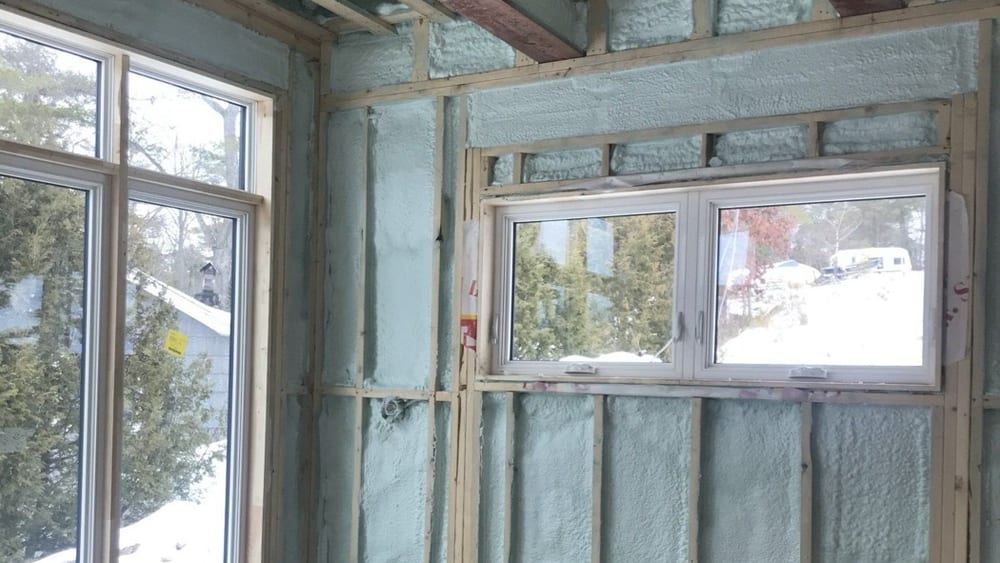
For builders: what OBC 9.25.3 asks of sheathing as the air barrier, the four transitions where it leaks, and why the poly still goes on.
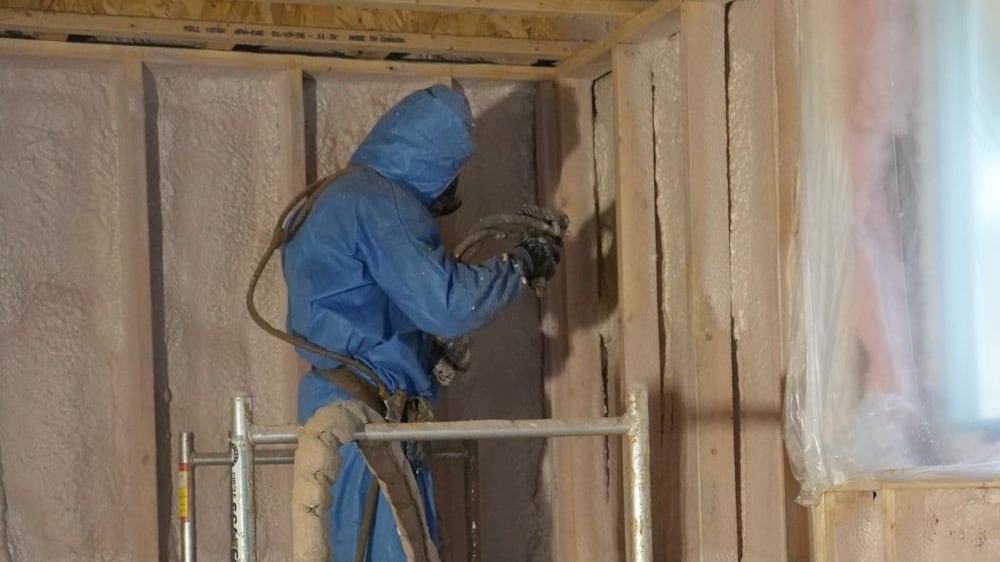
For builders: the five places 2 lb foam is the specified answer, where batt or BIBS hits the same number for less, and the flash-and-batt detail that fails inspection.
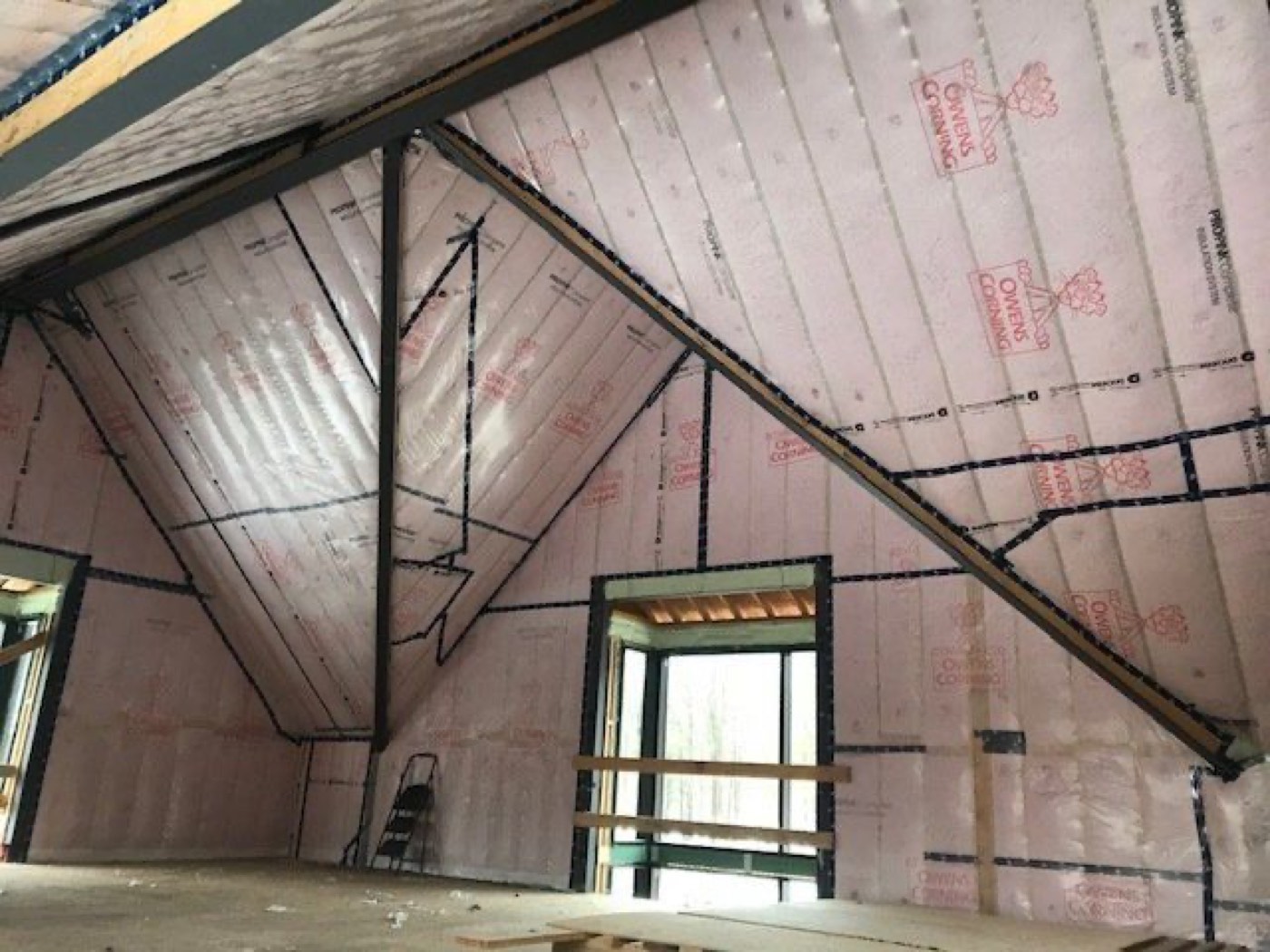
The rafter bay has to be insulation, ventilation and structure at once. Vented or unvented is the decision that drives everything else — and it has to be made before the framing closes in.
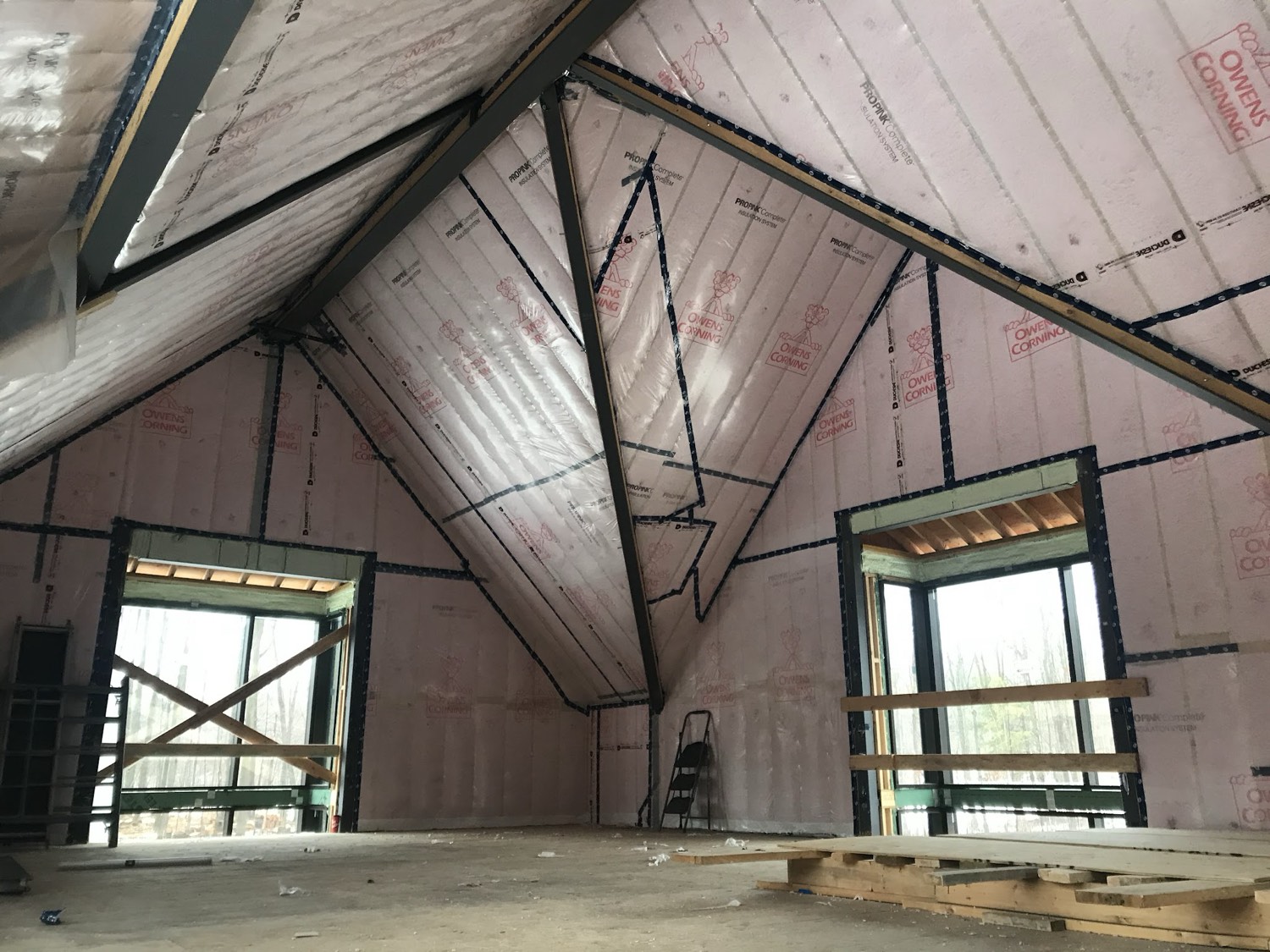
The rafter bay has to be insulation, ventilation and structure at once. Vented or unvented is the decision that drives everything else — and it has to be made before the framing closes in.
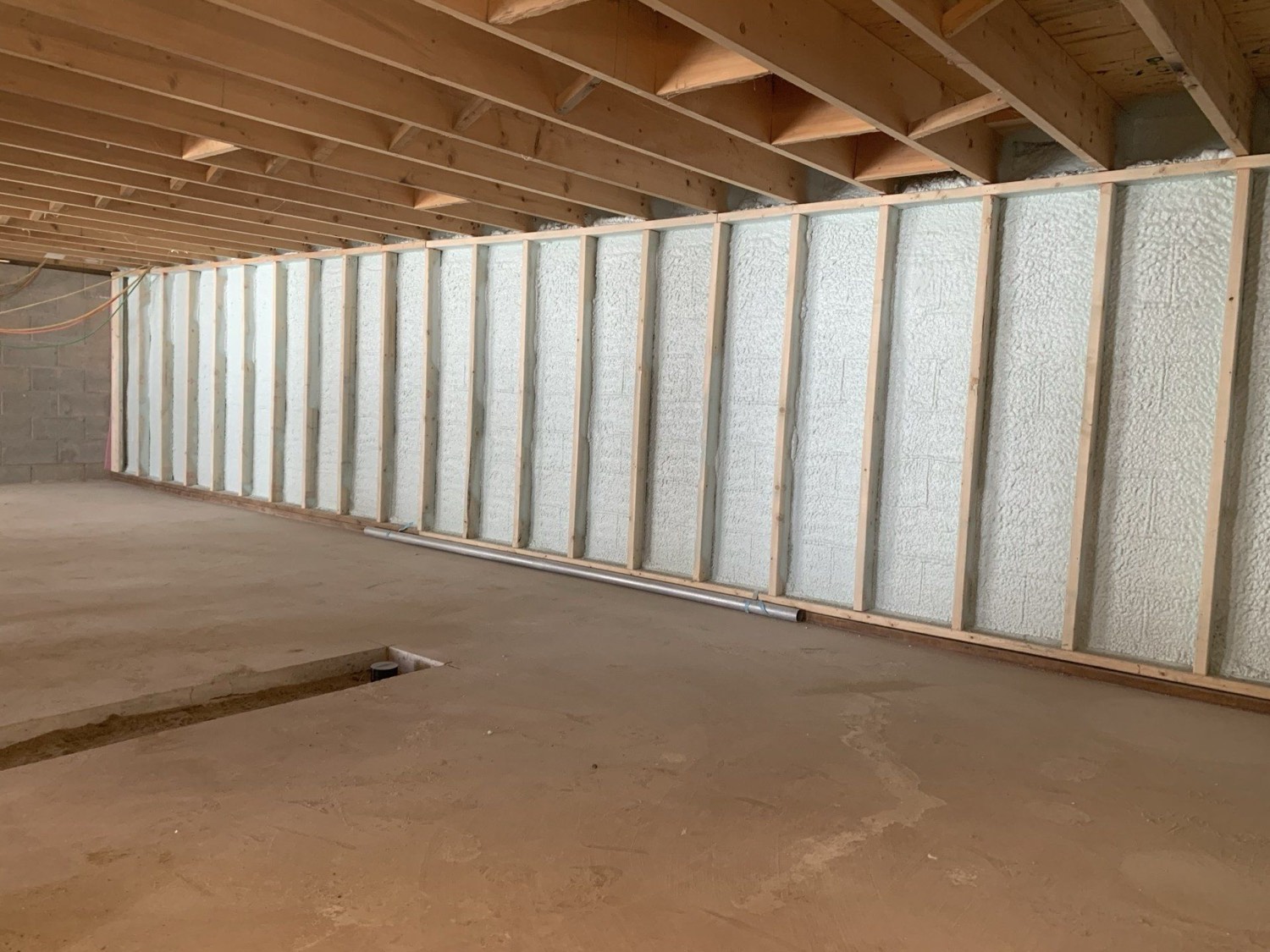
Spray foam in an occupied space has to be covered. Drywall handles it in any room you were boarding anyway — the trouble is the spaces nobody planned to board.
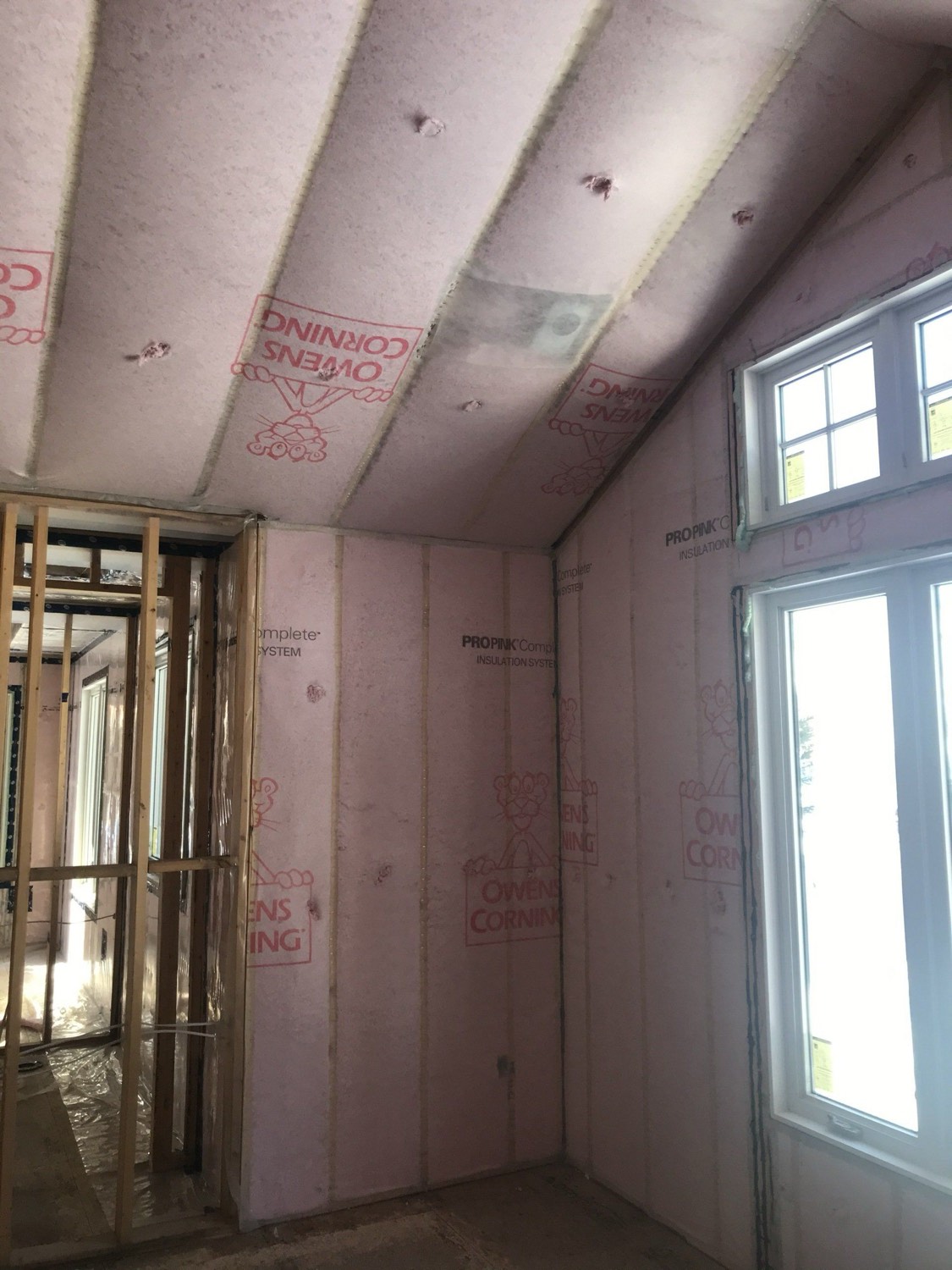
R-value is the number everyone shops on, and it only describes half of what keeps a house warm. Here is the other half.
Read the article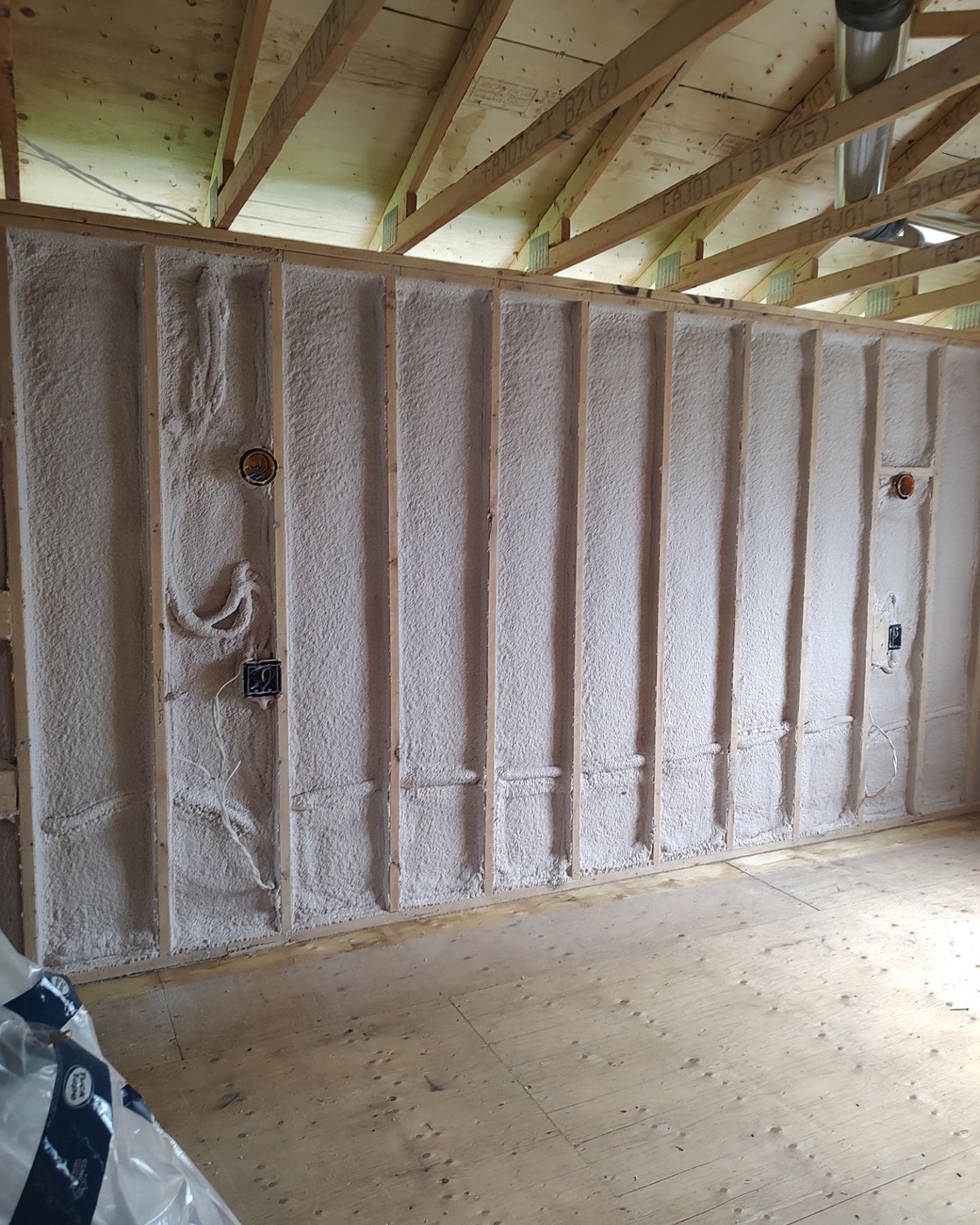
Three products, three different jobs. A straight comparison of where each one wins — and where paying for the expensive option is a waste of money.
Read the articleIce damming is not a roof problem, a gutter problem, or bad luck with the weather. It is heat and air escaping into your attic.
Read the article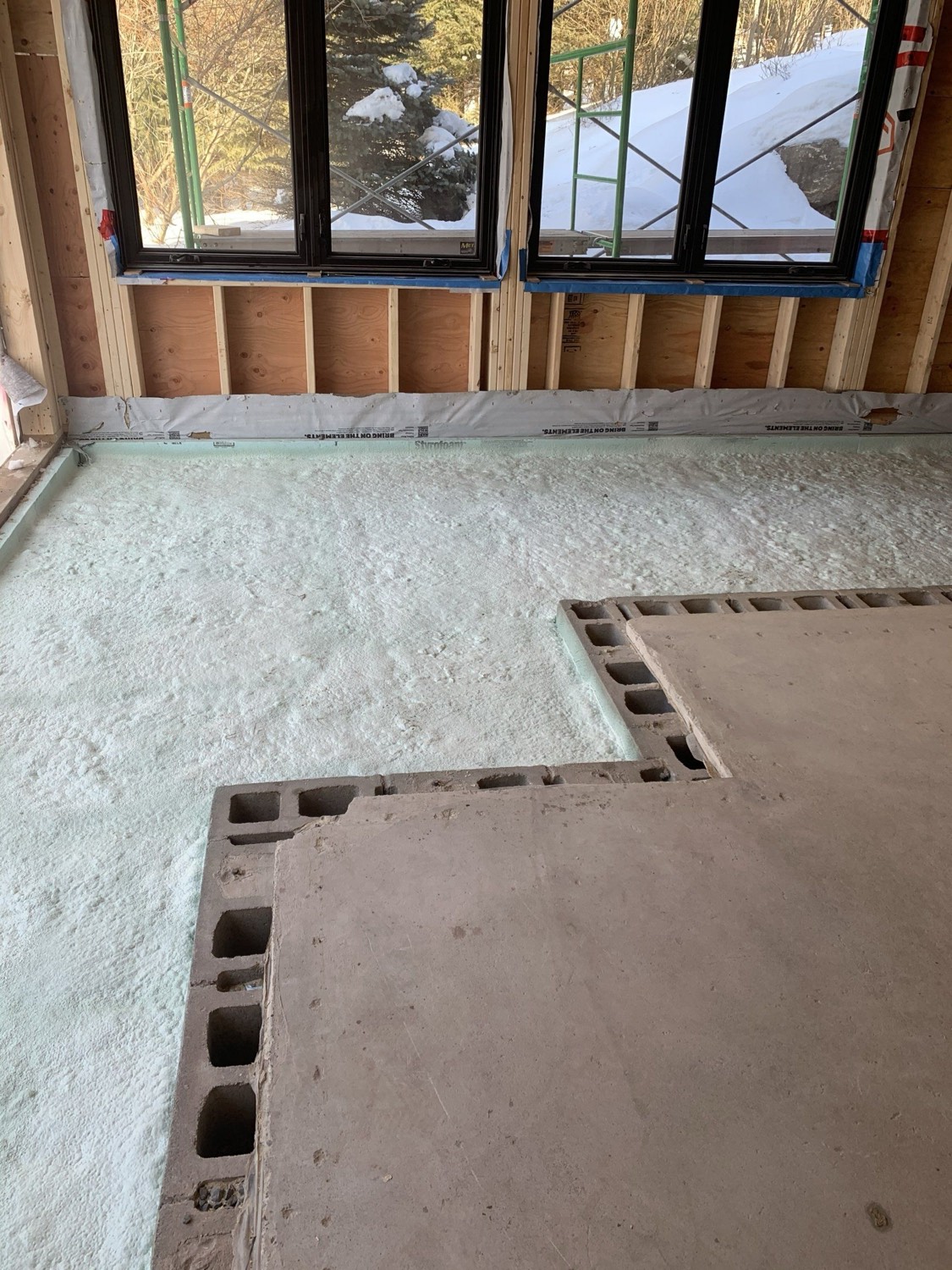
It is a strip of wood about ten inches tall running around the entire perimeter of your house, and in most homes it is doing almost nothing to keep the cold out.
Read the article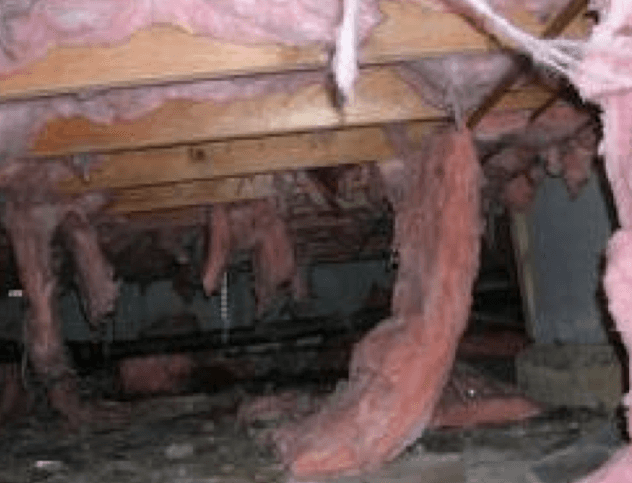
Adding a foot of new insulation on top of a bad attic is the most common money-wasting decision in this trade. Here is how to tell which situation you are in.
Read the article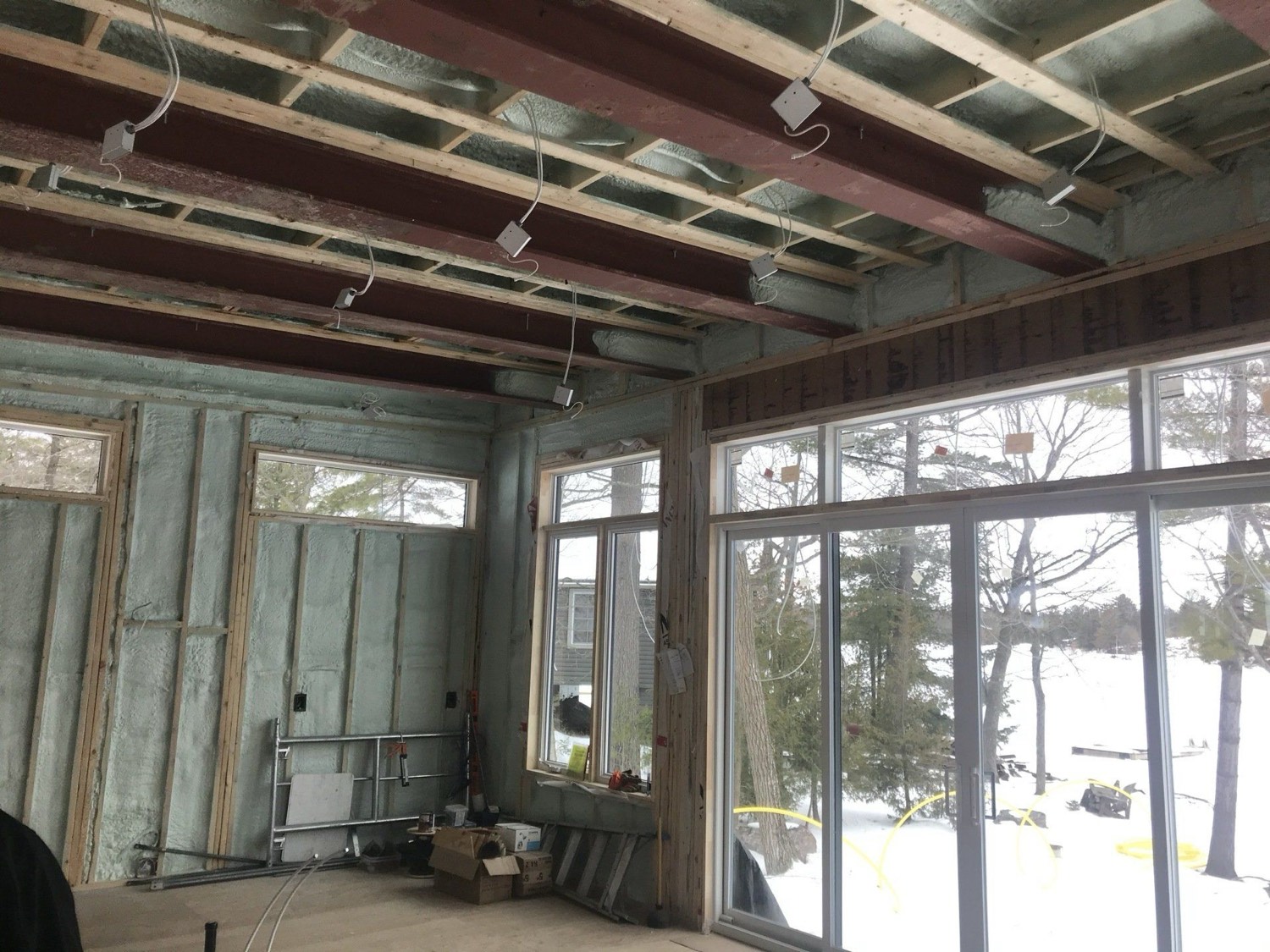
Cottages were built for July. Using one year-round means solving a specific set of problems that batts were never going to solve.
Read the article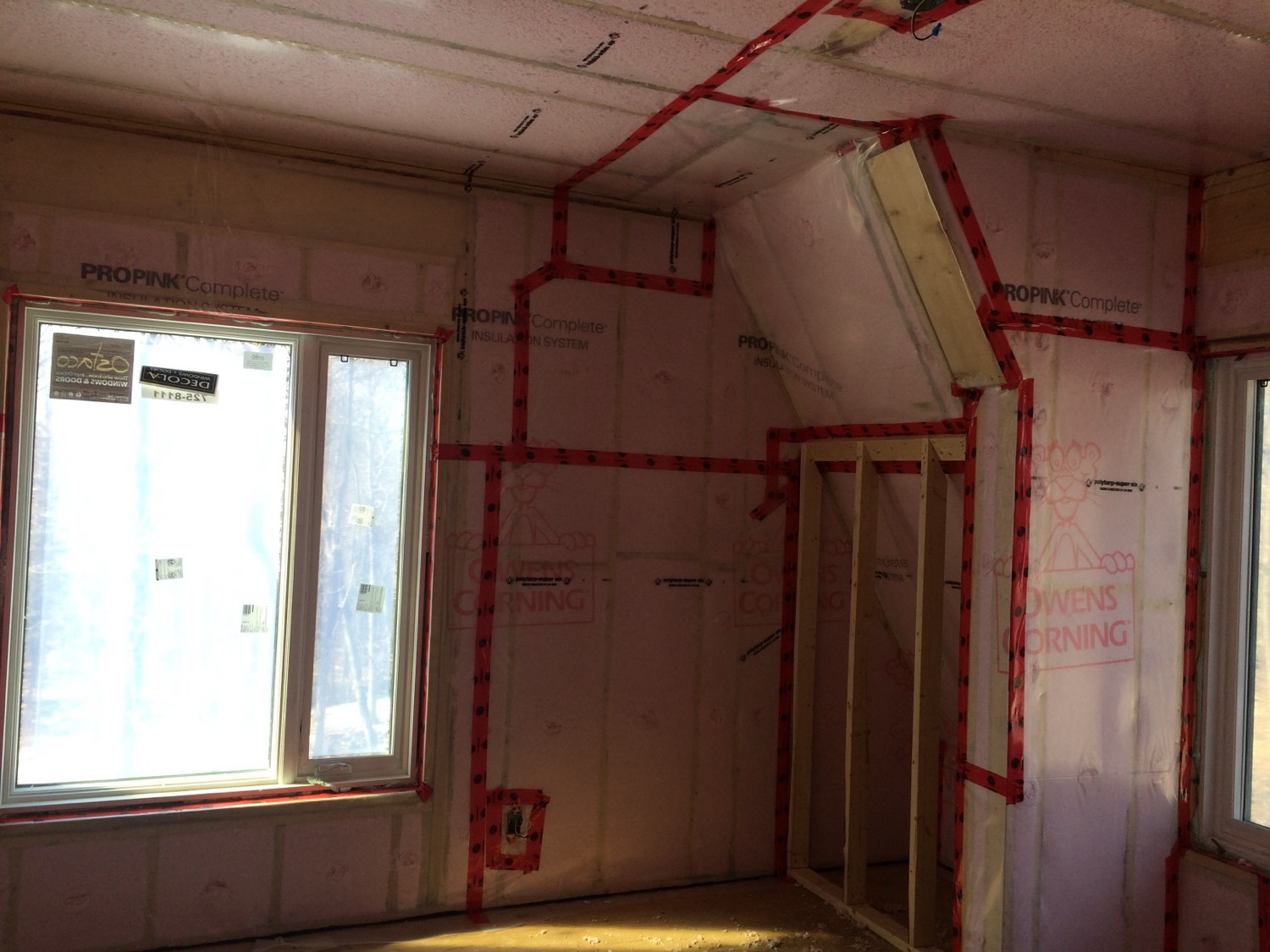
Insulation in an interior wall is the cheapest sound upgrade there is — and on its own it will not fix a room where you can hear a conversation through the door.
Read the article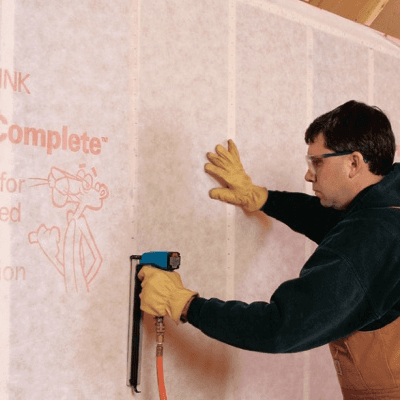
If your walls are cold to the touch in February, there is a good chance there is nothing inside them. You do not have to tear the house apart to fix that.
Read the article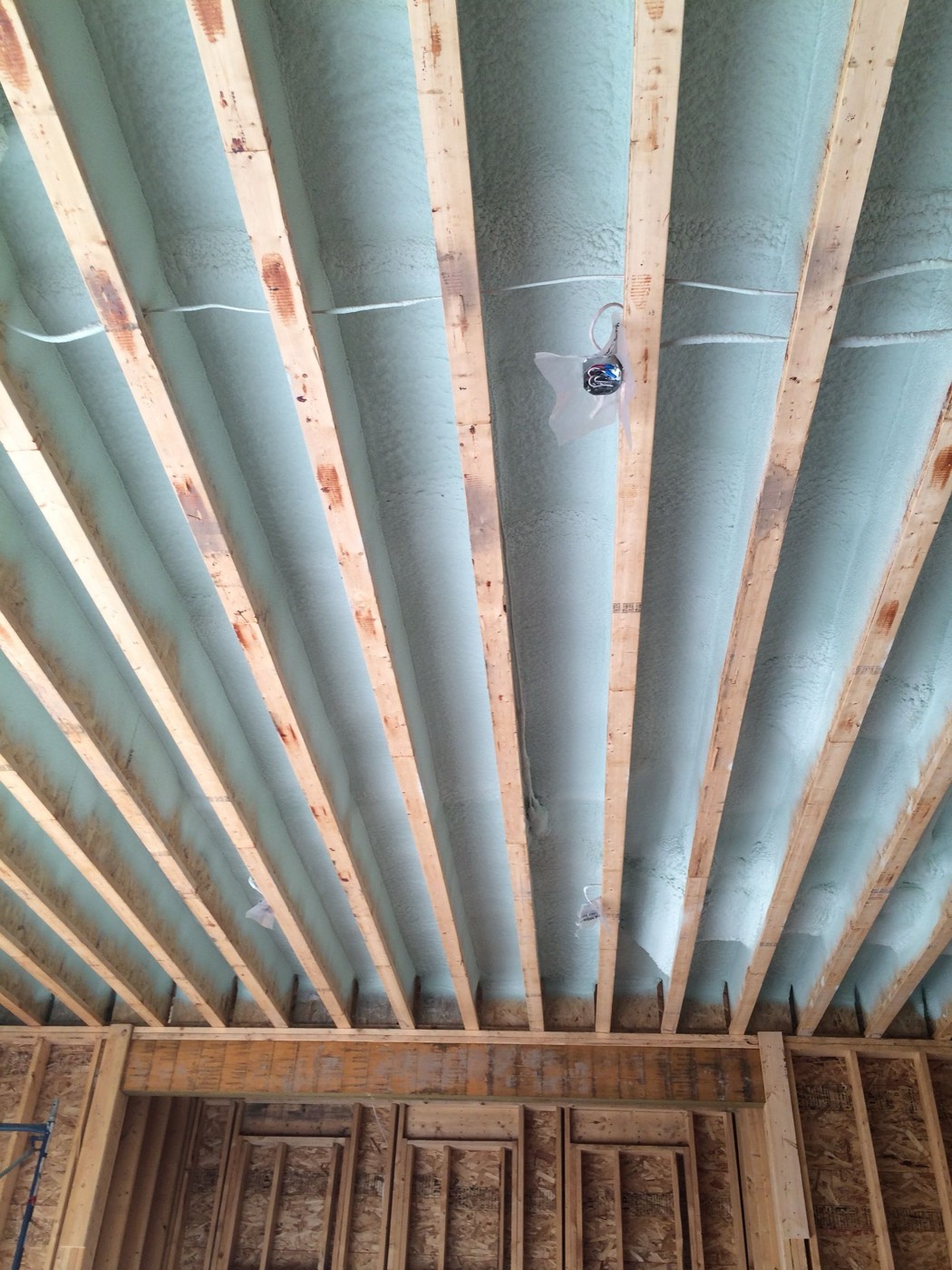
Heating an uninsulated shop is like heating the driveway. Here is how to make a garage, shop or outbuilding practical to keep warm.
Read the articleIf you have a question about your building that is not answered in the FAQ, call us — the good questions tend to become the next article.
Spray Today, Save Tomorrow
Tell us what the building is doing and we will come out, get into the space and give you a straight answer in writing.