

Bath Fan Venting Into Attic
The fan works. It just empties into the wrong room.
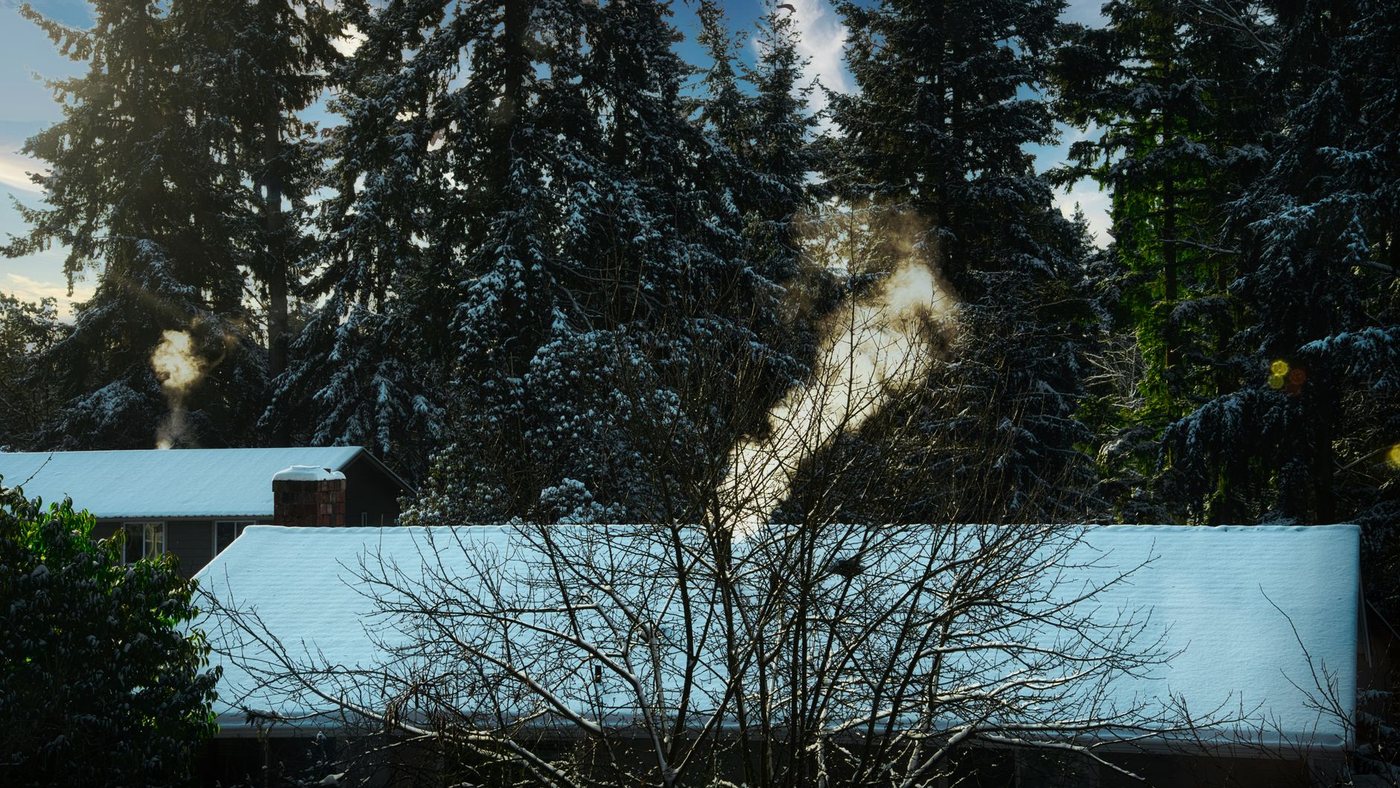
A bathroom fan venting into attic space is doing exactly what it was wired to do. It pulls the steam out of the bathroom. The problem is where it puts it: straight into the attic, the coldest part of the house, every time anybody showers.
From inside the house, nothing looks wrong. The mirror clears, the fan hums, the switch works. The evidence is all upstairs, in a space most people never look into: frost on the underside of the roof, and insulation that is damp where it should be dry.
What a fan venting into attic space actually does
A shower turns a small room into warm, saturated air. The fan's whole job is to move that air somewhere it can do no harm, which means outdoors.
In the attic, it meets cold. Warm, humid indoor air escaping into a cold attic loses you energy on the way out, and it drops its moisture the moment it touches a cold surface. In an Ontario winter, the coldest surface up there is the roof sheathing. That is where the water ends up: as frost on the sheathing, as damp insulation, and, further down the roof, as ice damming at the eaves.
One shower does not do much. A household's worth of showers, every day from November to March, does.
The signs: frost, stains and a wet patch of insulation
Natural Resources Canada's renovation guide, Keeping the Heat In, tells homeowners to check the attic during or just after a cold snap. Condensation in a cold attic shows up as frost. The guide says some frost is to be expected, but a heavy buildup, 10 mm or more, is a reason to look harder.
It also names where indoor moisture gets in. Its list of typical problem areas starts with bathroom and kitchen vents that go through the ceiling, and adds plumbing stacks, chimney chases, wiring holes and pot lights. A tell-tale sign of air leakage, it says, is discoloured insulation, so it is worth looking under the top layer rather than just across it.
What you are looking for, in plain terms:
- Frost or ice on the underside of the roof boards, often heaviest near the bathroom.
- Water stains or dark patches on the sheathing and rafters in the same area.
- Insulation that is matted, wet or discoloured around the fan housing.
- A fan duct that ends loose in the insulation, or no duct at all.
- Ice building up on the eaves. The ice damming post covers what that means on its own.
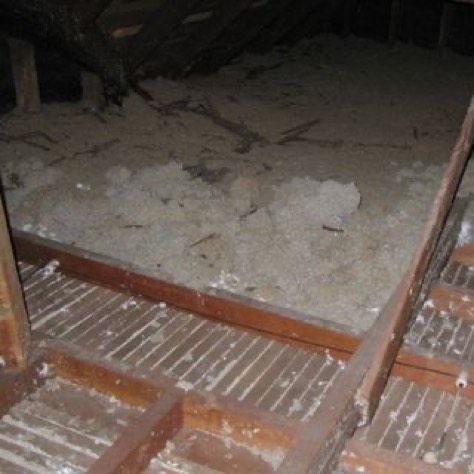
Why more insulation won't fix venting into attic space
The instinct, when an attic looks wet and the house feels cold, is to add insulation. With a fan dumping into the attic, that makes things worse.
NRCan explains why. More insulation on the attic floor means a colder attic, and a colder attic means any vapour that escapes into it can condense before the ventilation carries it away. The guide's advice is to air seal the attic to stop moist indoor air getting in, and not to rely on batt, blown-in or poured insulation to do that job.
So piling a fresh layer on top of a fan venting into attic insulation does two things. It makes the attic colder, so the moisture freezes sooner. And it buries the cause, so the next person up there sees a nice even layer and no duct. There is a point where adding insulation on top of what is there is throwing money away, and this is one of the clearest examples of it.
Attic vents won't carry it away either
The other common reaction is more ventilation: another roof vent, or a powered attic fan. NRCan is direct about both.
Attic vents matter, and the guide calls them the second line of defence against moisture that has already got into the attic. But it also says vents will not prevent condensation and will not solve the problems created by air leakage. Its advice is not to automatically increase ventilation.
It goes further on electric attic fans. They can pull more air than the soffit vents can supply, which draws house air up into the attic and makes the heat loss and the moisture worse, not better.
The same guide covers the half-measure people sometimes try, pointing the fan duct at a soffit vent. Exhaust fans, it says, should always discharge to the outside, but not directly below the eave vents. The soffit vents are where the attic takes its air in.
What the fix looks like
The fix is the fan doing its job all the way to the outside. In practice that means:
- A duct that ends outdoors. Through the roof or an exterior wall, with a proper termination, and away from the eave vents.
- A duct that stays warm. NRCan says ducts running through the attic should stay below the insulation, or be wrapped in insulation and protected from being crushed.
- Sealed joints and a sealed ceiling. Duct joints are sealed with aluminum duct tape or mastic, and the gap where the duct and fan housing go through the ceiling is sealed too. Otherwise the air you stopped at the fan leaks round it instead.
- A fan that closes. NRCan's air-leak checklist says exhaust fans should vent to the outside and close properly when they are not running.
A kitchen range fan that dumps into the attic is the same problem and gets the same fix.
When the insulation has to come out first
What happens to the insulation depends on what the moisture has done to it.
If it is dry, it can usually stay. NRCan says dry insulation will probably be all right to leave in place, and there is generally no problem using two types of insulation, so a dry attic can be sealed, have the fan ducted out, and be topped up to depth. That is the cheaper job, and when it is the right one we will say so.
If it is wet, it should not be covered. NRCan says not to bury wet insulation until the source of moisture is removed and the insulation is dry, and to remove insulation damaged by mould. Wet insulation stays wet, loses its R-value and grows mould, which is when vacuum removal is the right call. It also makes the fan easy to find: leaks, disconnected bath fans and blocked soffit vents are only findable with the insulation out. Our insulation removal work follows a set order: vacuum it out, clean and treat the surfaces, correct the deficiencies, with bath and range fans ducted properly outside, then re-insulate to current Ontario Building Code requirements.
The top-up or removal post goes through how to tell the two situations apart.
Venting into attic space in an older Orillia house
Orillia is an older city than most people assume. Statistics Canada's 2021 census counts 14,425 occupied private dwellings there, and about 70% were built before 1991. Current Ontario attic targets are far deeper than what most homes built before the 1990s actually have, so a lot of Orillia attics are due for a top-up.
That is exactly when a fan venting into attic insulation does the most damage, because the top-up is the moment the problem gets buried. Fifteen years of working in this region means we have seen how buildings here actually fail, and the bathroom fan venting into the attic is on that list next to the unsealed rim joists.
Check for venting into attic space before the top-up
Before any attic top-up in an older Orillia home, the gaps around chimneys, top plates and wiring holes should be sealed first. The fan duct belongs on the same list. Find where it goes, fix it if it goes nowhere, seal round the housing, and only then add depth. Once the bypasses are sealed, depth on a big open attic floor is cheaper with blown-in than with foam. Foam does the sealing; the depth on top is usually blown-in.
Where we fit
We get into the attic to see what is actually there, measure the insulation that is up there, and find the cause of the damage, not just the damage. You get a written, itemized quote with the reasoning behind each recommendation, priced by area, product and access. If the insulation is dry and a top-up will do, we will tell you, because if a cheaper product will do the same job in your house, we would rather have the referral than the upsell. We work across Simcoe County, Orillia included, and we would rather look at your house than quote you a number from a brochure.
Frost in the attic or a fan that goes nowhere? Call (705) 812-1955 or request a free quote.